This website uses cookies to improve your experience. You can opt-out if you wish. Read More

Author: Alexis Amann
-
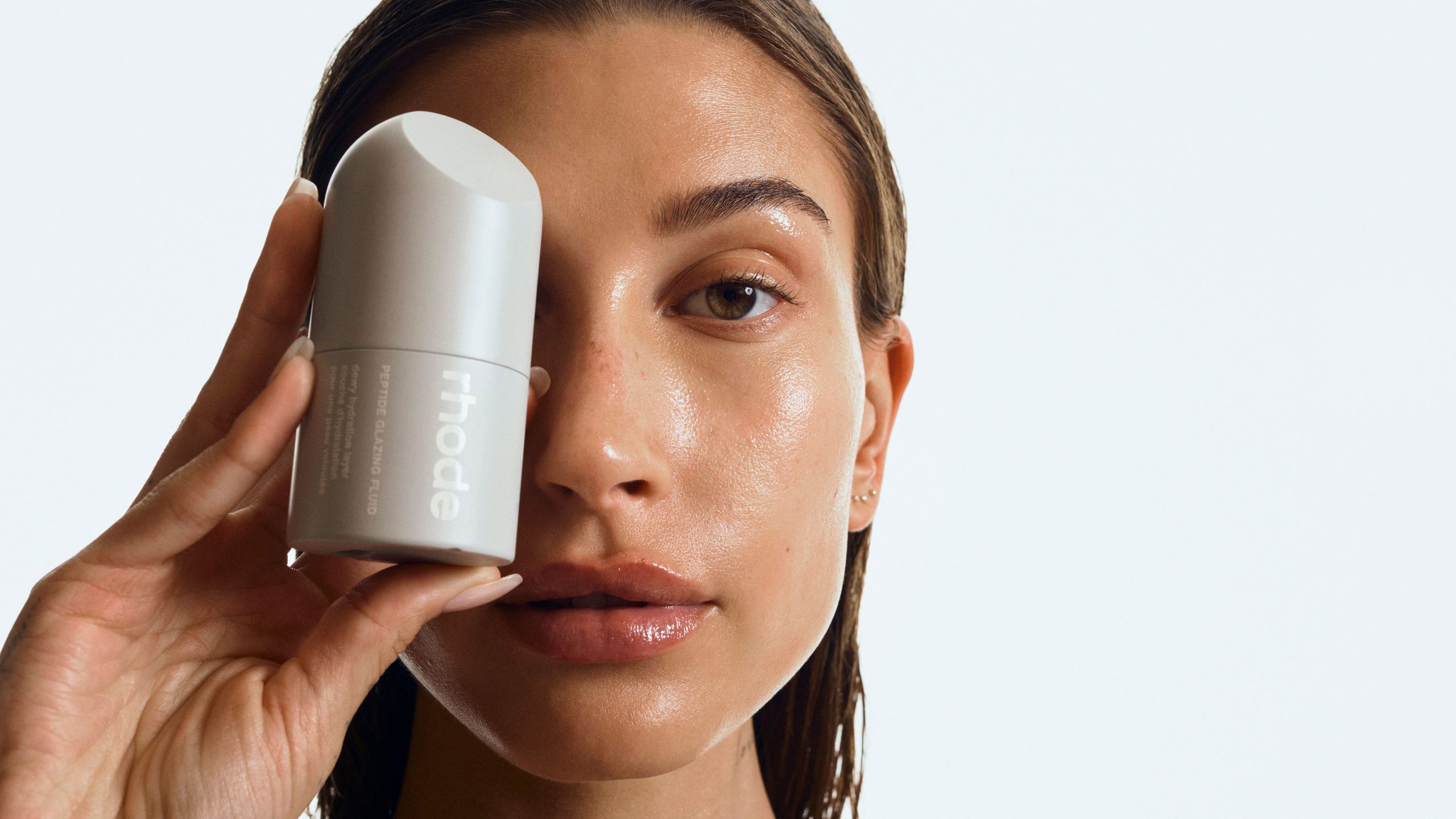
CreatorIQ’s consolidated Earned Media Value scoring for the last twelve months gives us key insights on the skincare brands which got the most organic exposure on social media.
-

The next battleground for beauty brands isn’t search rankings or social media feeds: it’s the answer an AI gives when a consumer types “what skincare routine should I start.”
-
Last week in beauty, the blockbuster merger between Estée Lauder and Puig took the spotlight.
-
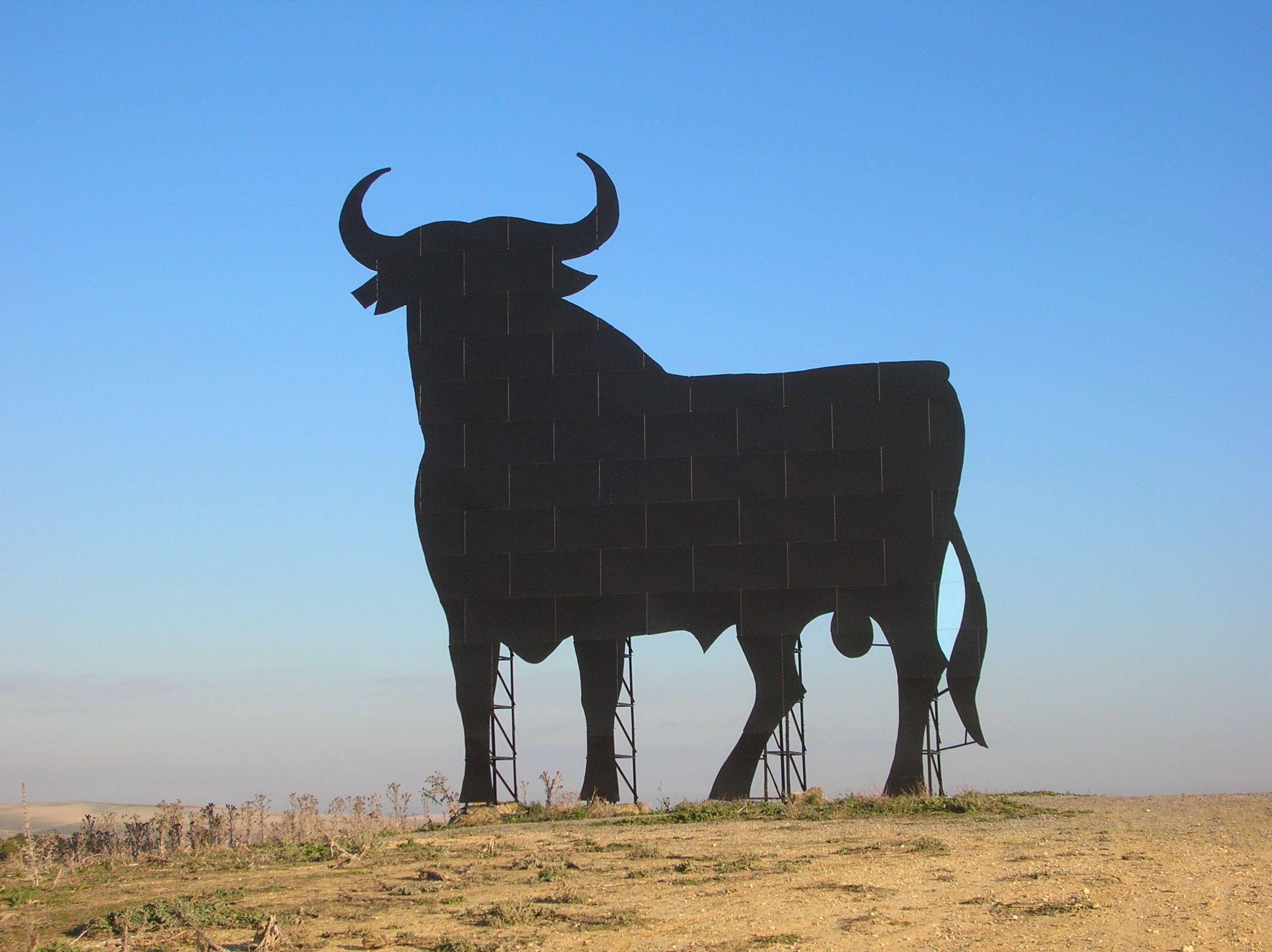
According to data from STANPA, per capita annual investment in perfumery and cosmetics is above €220 in Spain, one of the highest numbers in Europe. STANPA estimates the Spanish beauty market grew 8.5% in 2024 reaching €8.8bn.
-
According to data from Circana European prestige beauty expanded 4% in value in 2025, though national trajectories diverged sharply.
-
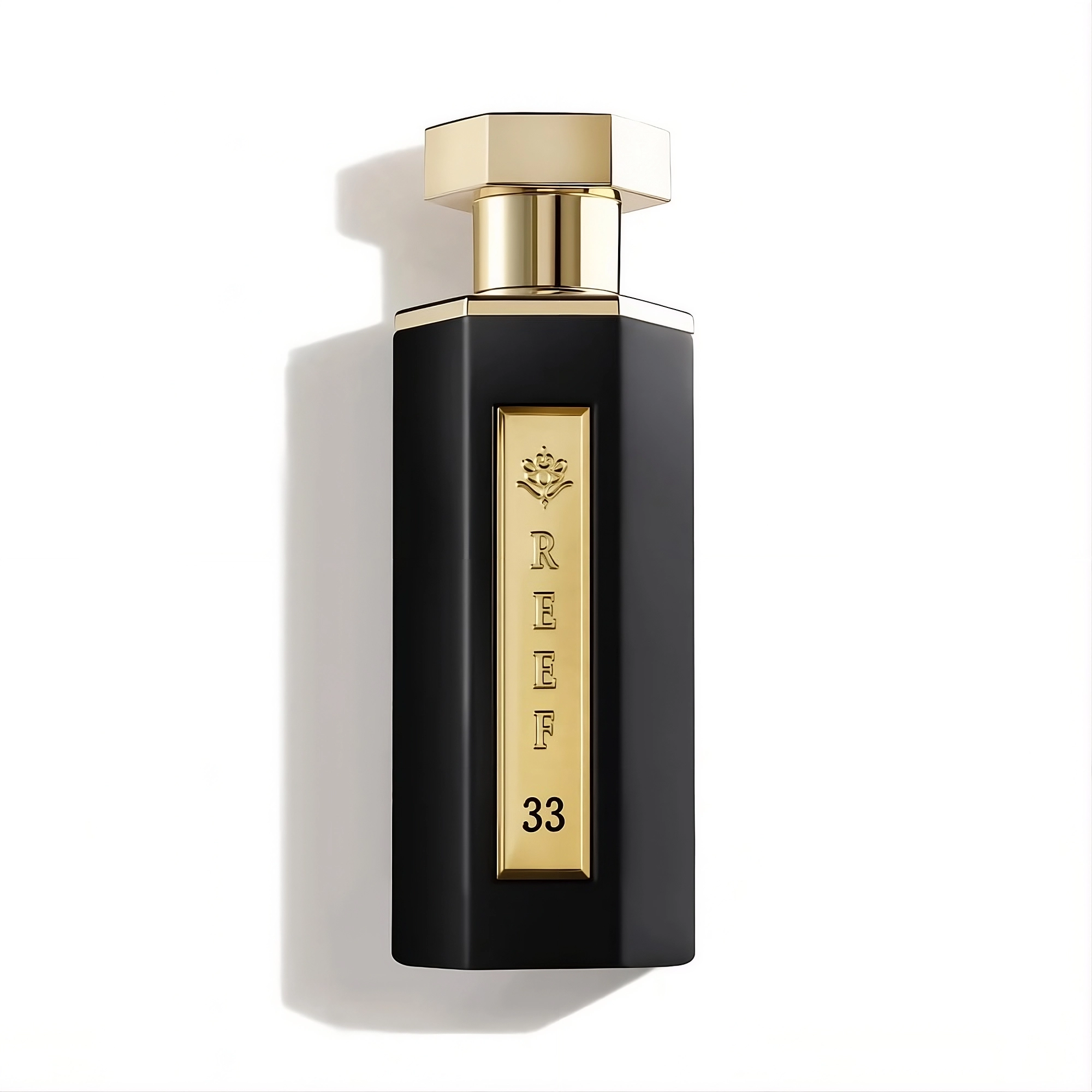
The second biggest fragrance trend on social media in 2025, with viewership up more than 60%, Middle Eastern perfumes are experiencing remarkable international growth.
-
The Estée Lauder Companies and Spanish group Puig have confirmed they are in preliminary discussions regarding a potential blockbuster merger.
-
For much of 2024, selective beauty spending in the US was the outlier, its growth outperforming almost every other consumer category. But this growth have been consistently trending with Fashion spending growth overtaking specialty beauty in H2 25 signaling that the sector is entering a new phase.
-
Last year, Fernando Fernandez, Unilever’s CEO, set out a strategy to refocus the group on beauty and wellbeing. The goal was to increase the combined share of the Beauty & Wellbeing and Personal Care divisions from roughly half of group sales to two-thirds.
-
Last week in beauty Unilever is doubling down on beauty, Puig as a CEO and L’Oréal continues to dominate beauty tech innovation. Subscribe to my newsletter for more weekly insights: https://lnkd.in/evr8EFGG