This website uses cookies to improve your experience. You can opt-out if you wish. Read More

Category: Perfume
-
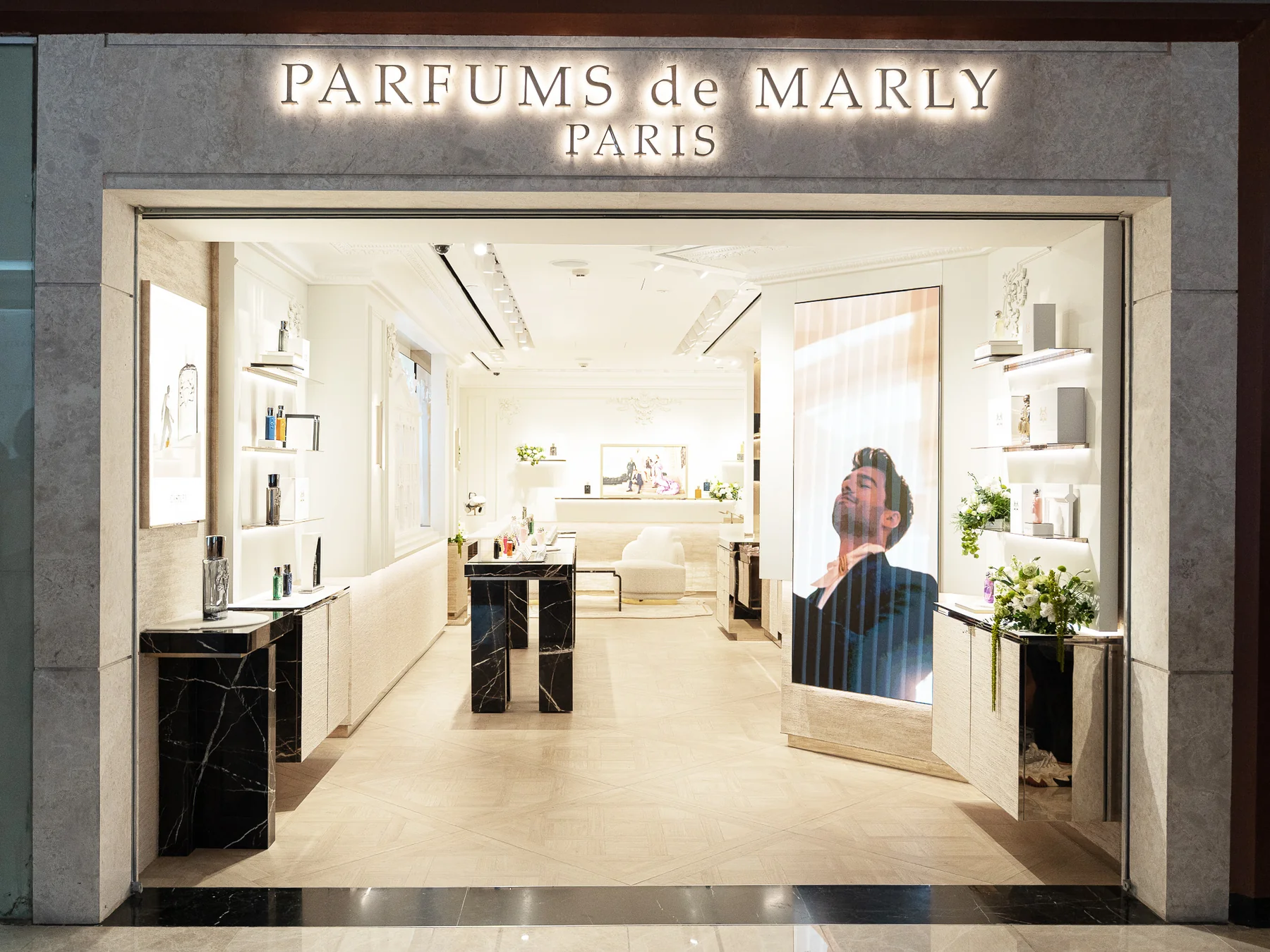
Data from Perfumist, an app tracking perfume preferences of more than 3 million consumers worldwide, shows which were the favourite niche fragrance brands of its users last year. Parfums de Marly leads at an index of 100, well ahead of Creed (74), Maison Francis Kurkdjian (73), Xerjoff (71) and Kilian (67), and the gap is…
-
Fragrance represents 20% of the beauty industry at $84bn. Between 19 and 24, the category grew 8% annually, twice the pace of the market, and McKinsey expects it to keep outperforming with 4–6% growth to 2030 vs. 3–5% for beauty.
-
Data from Perfumist, an app that maps perfume preferences worldwide, reveals a divided fragrance landscape across Latin America in 2025.
-
Data from Perfumist, an app tracking perfume preferences more than 3m consumers worldwide, shows which were the favourite perfume brands of Europeans last year. A rapid glance at the ranking could suggest a unified market dominated by legacy brands. Yet, when going deeper into the data across France, Italy, Spain, Germany, and the UK there…
-
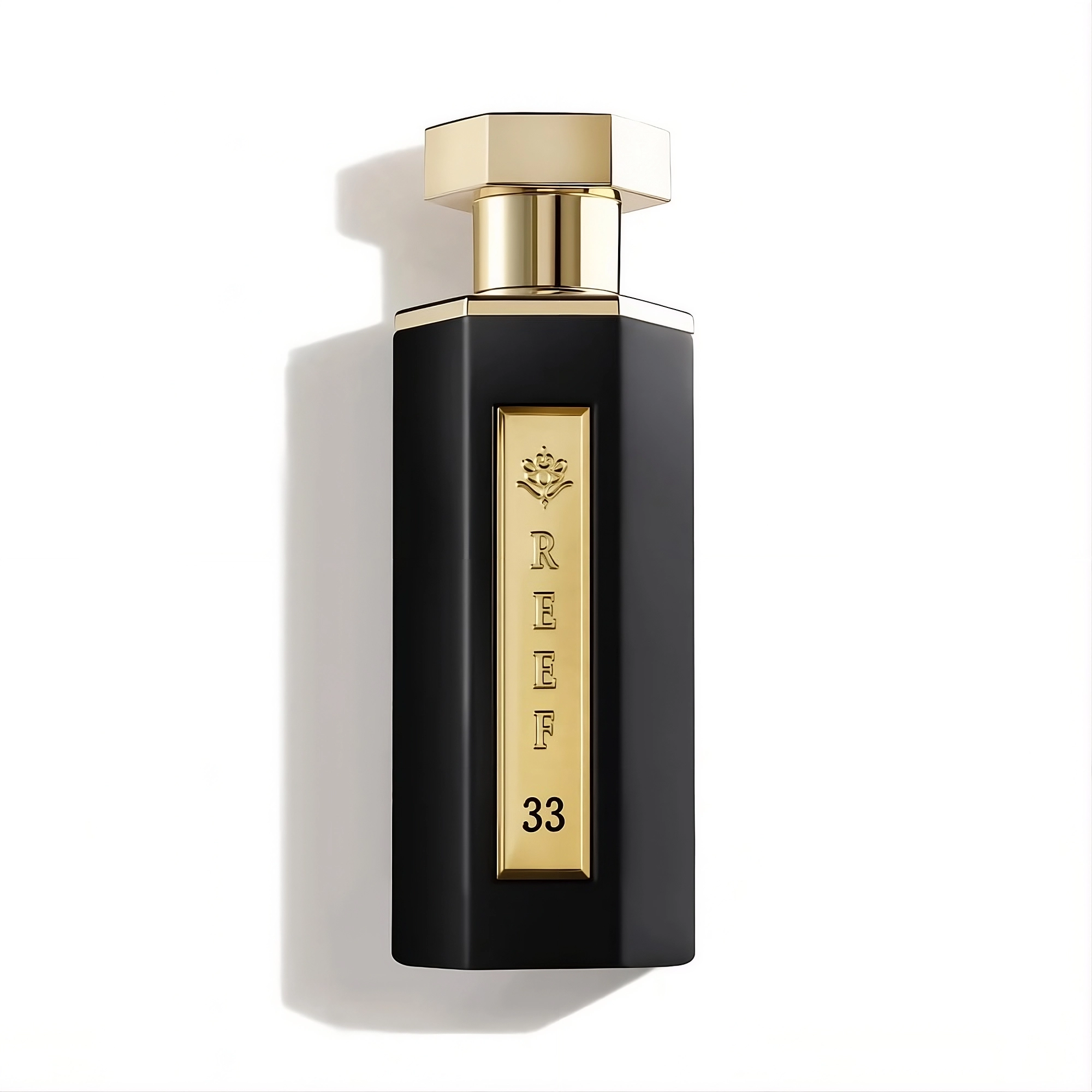
The second biggest fragrance trend on social media in 2025, with viewership up more than 60%, Middle Eastern perfumes are experiencing remarkable international growth.
-

China’s beauty industry is entering a new phase of growth. After expanding at a CAGR of 5.3% between 2019 and 2024 to reach an estimated €91bn in 2025, the market should accelerate to a 7.2% CAGR through 2029, hitting €121bn, according to China Insights Consultancy (CIC).
-
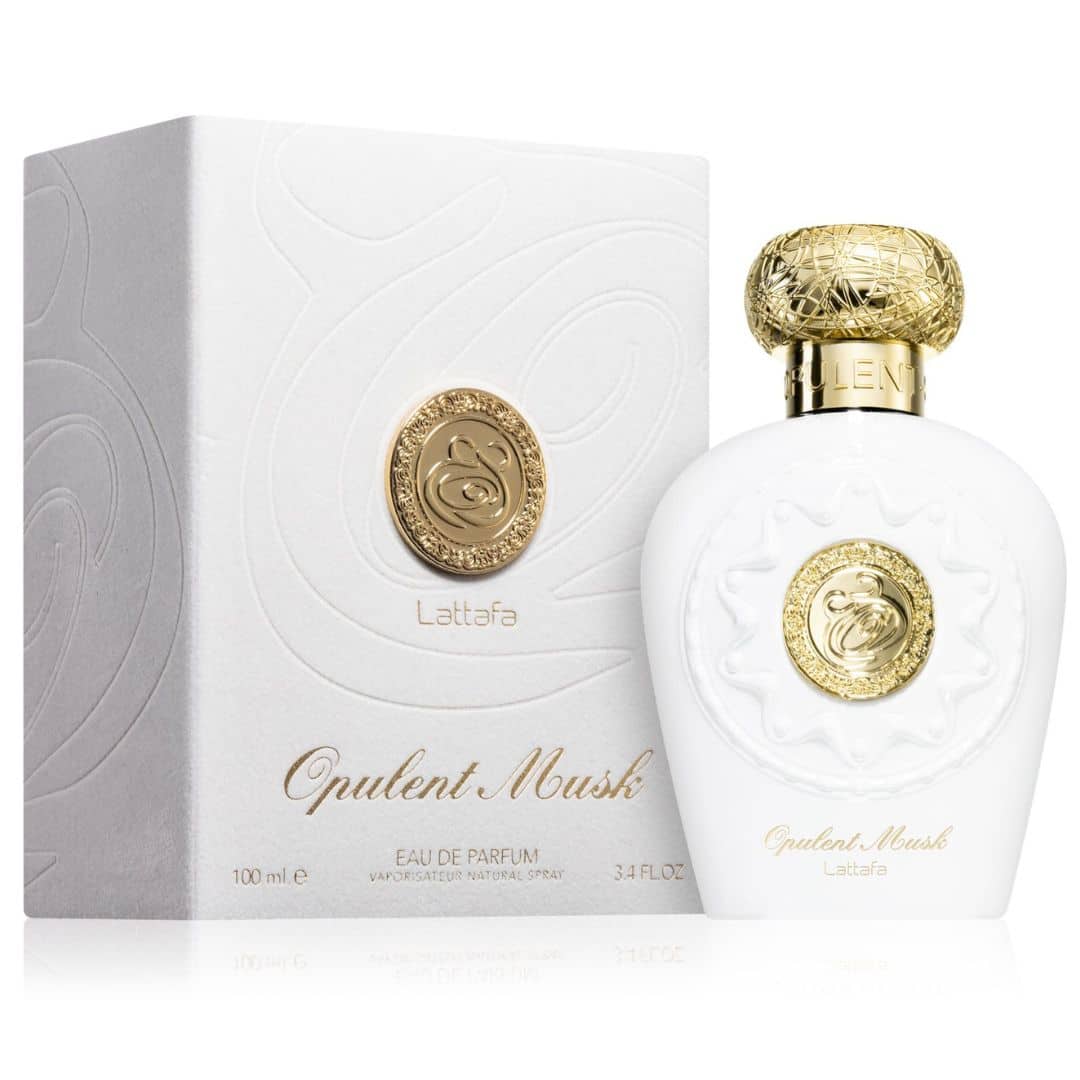
Data from Perfumist, an app tracking perfume preferences more than 3m consumers worldwide, shows which Middle Eastern labels gained most traction outside the region last year. Interestingly, the top four is a mirror of what is currently working in the fragrance industry.
-
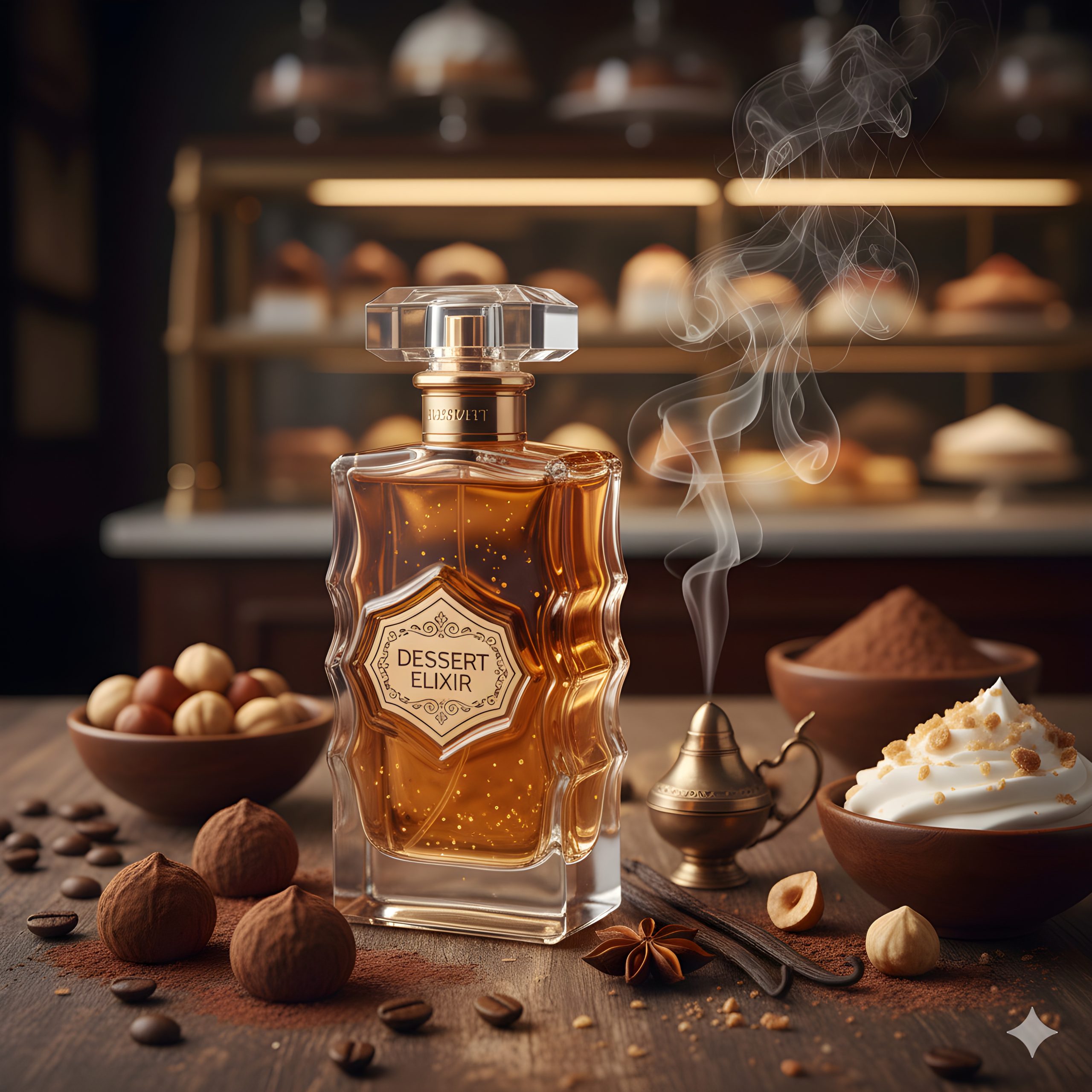
The fragrance industry is undergoing a significant olfactory shift, and the data from social media analytics firm Spate confirms it: we have entered the era of the hyper-gourmand scent profile.
-
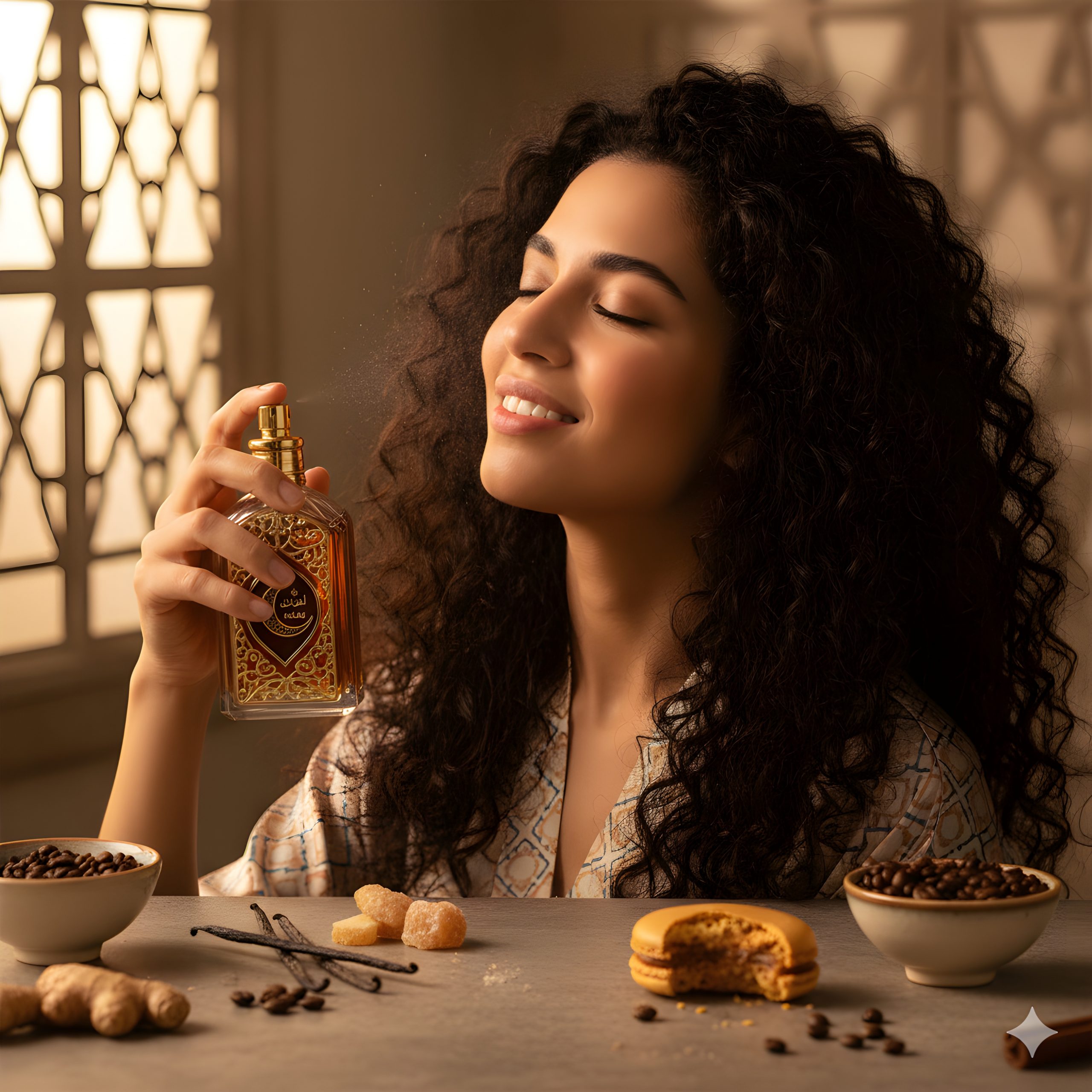
Spate recently published data about the most popular fragrance trends on social media in 2025 and there are for me three key insights that emerge.
-
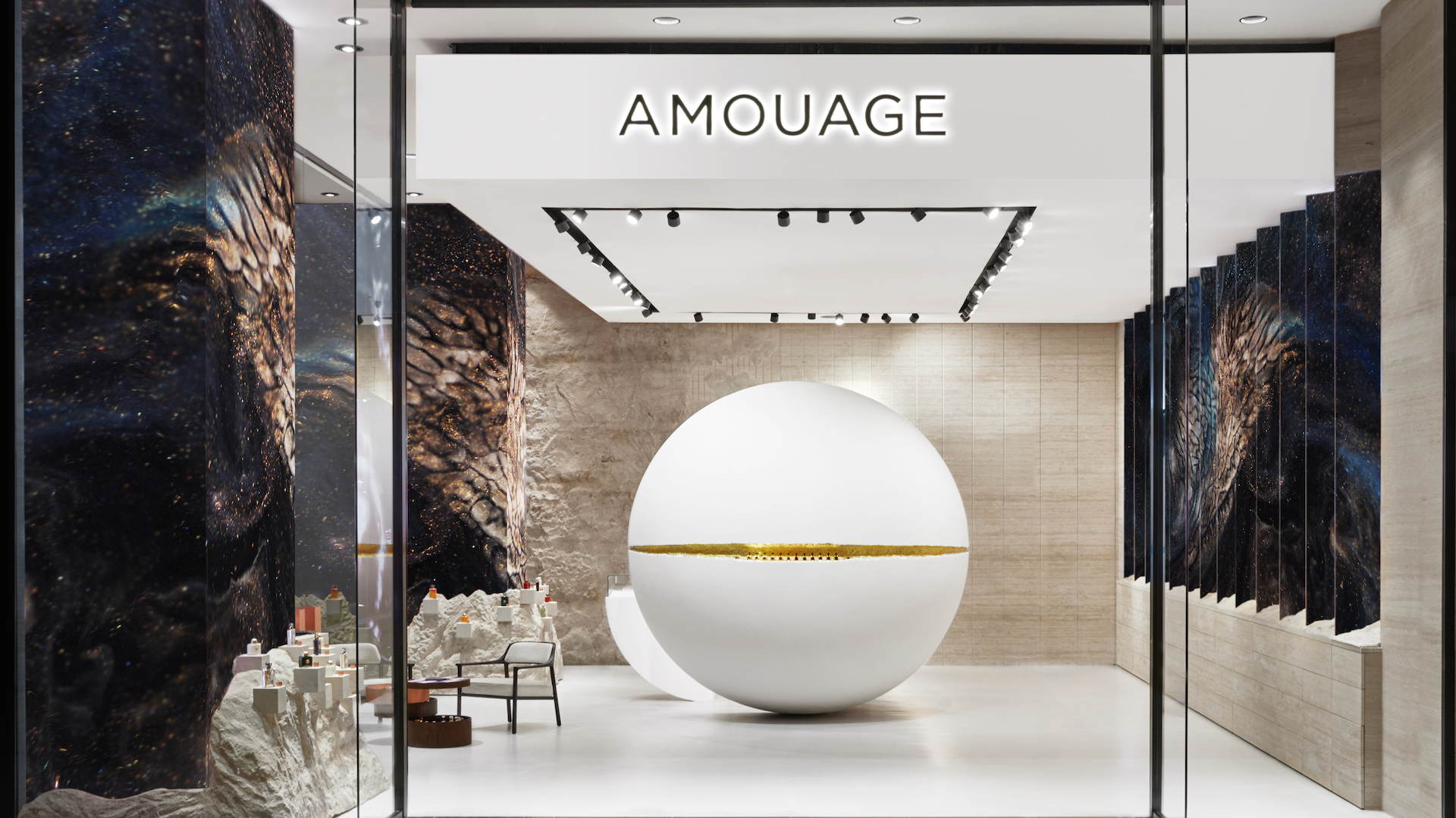
Omani luxury house Amouage closed 2025 with global retail sales of $430m, a 66% surge that marks the strongest result in its 42-year history.