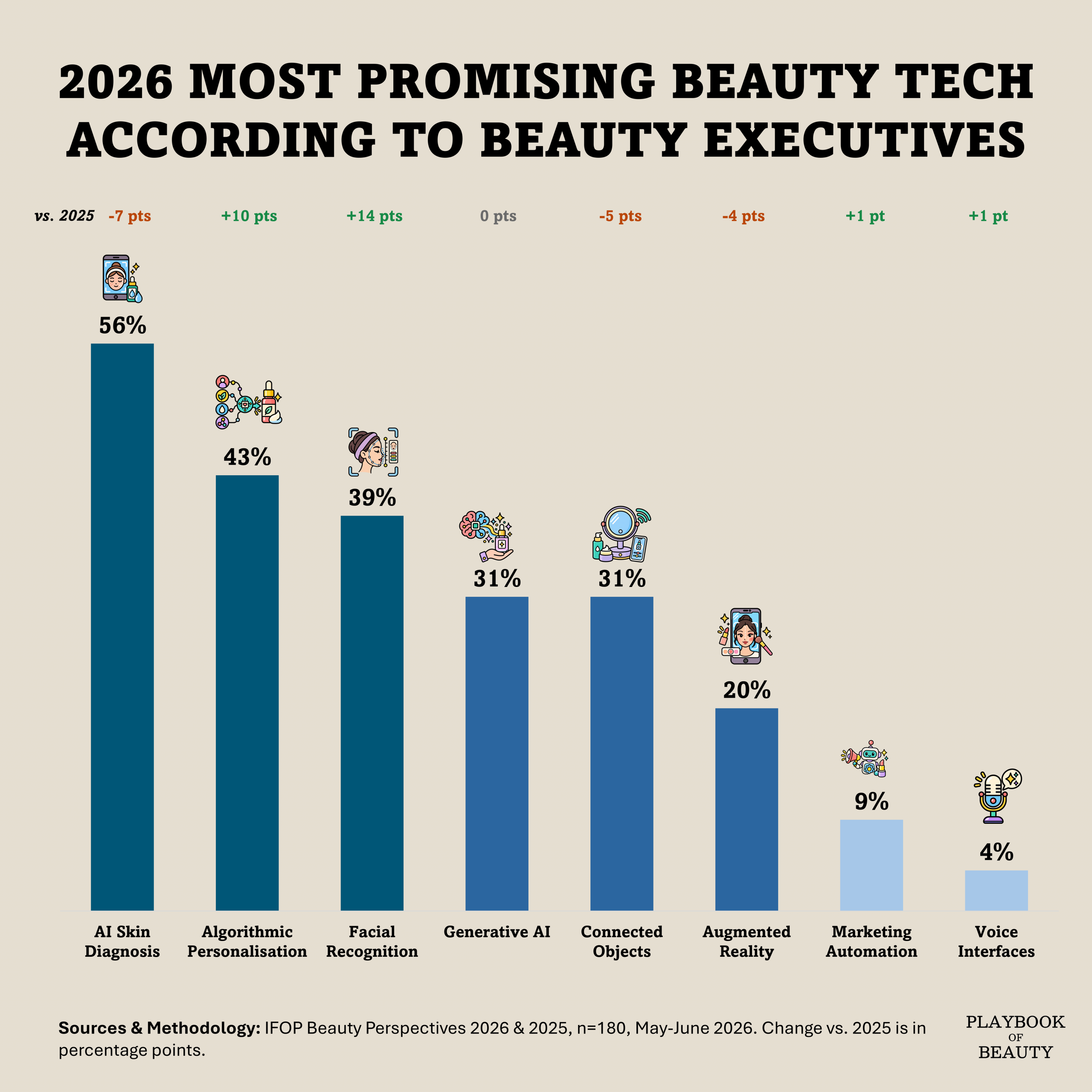
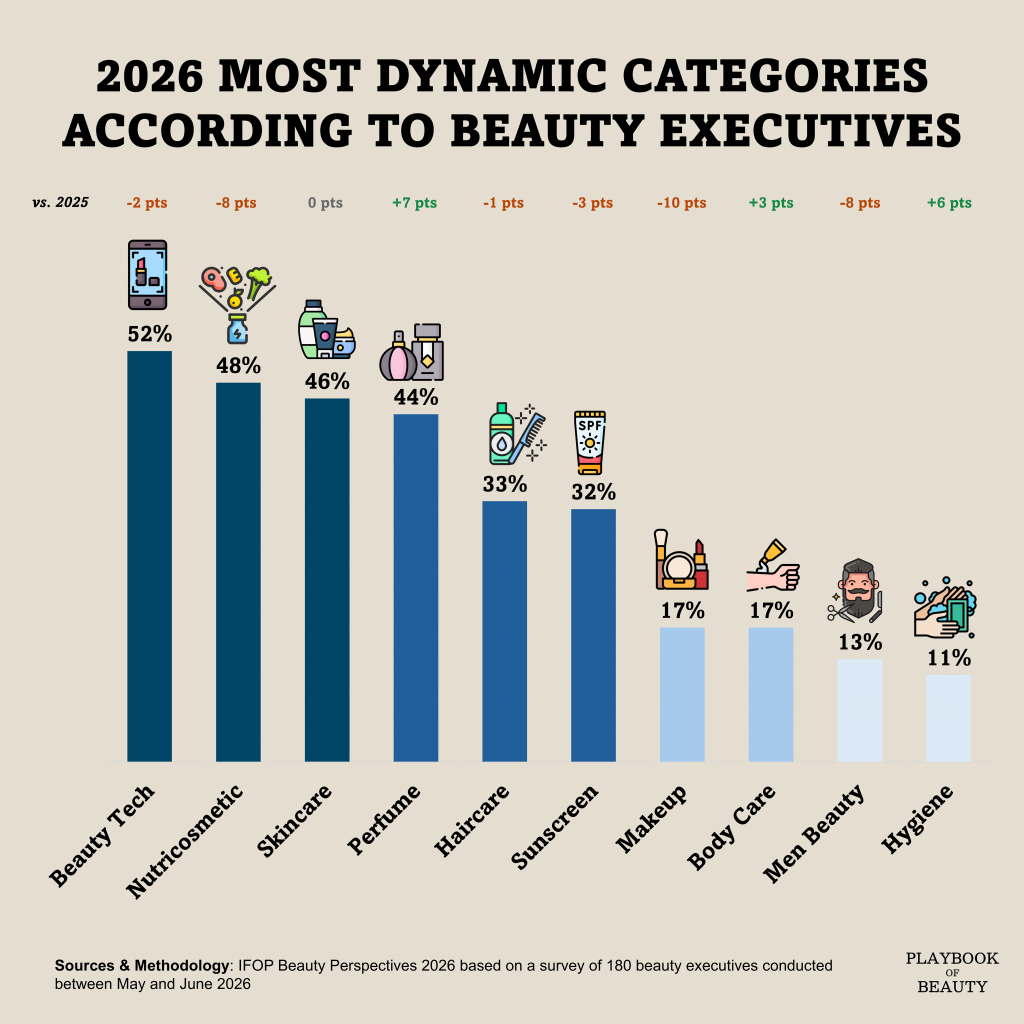
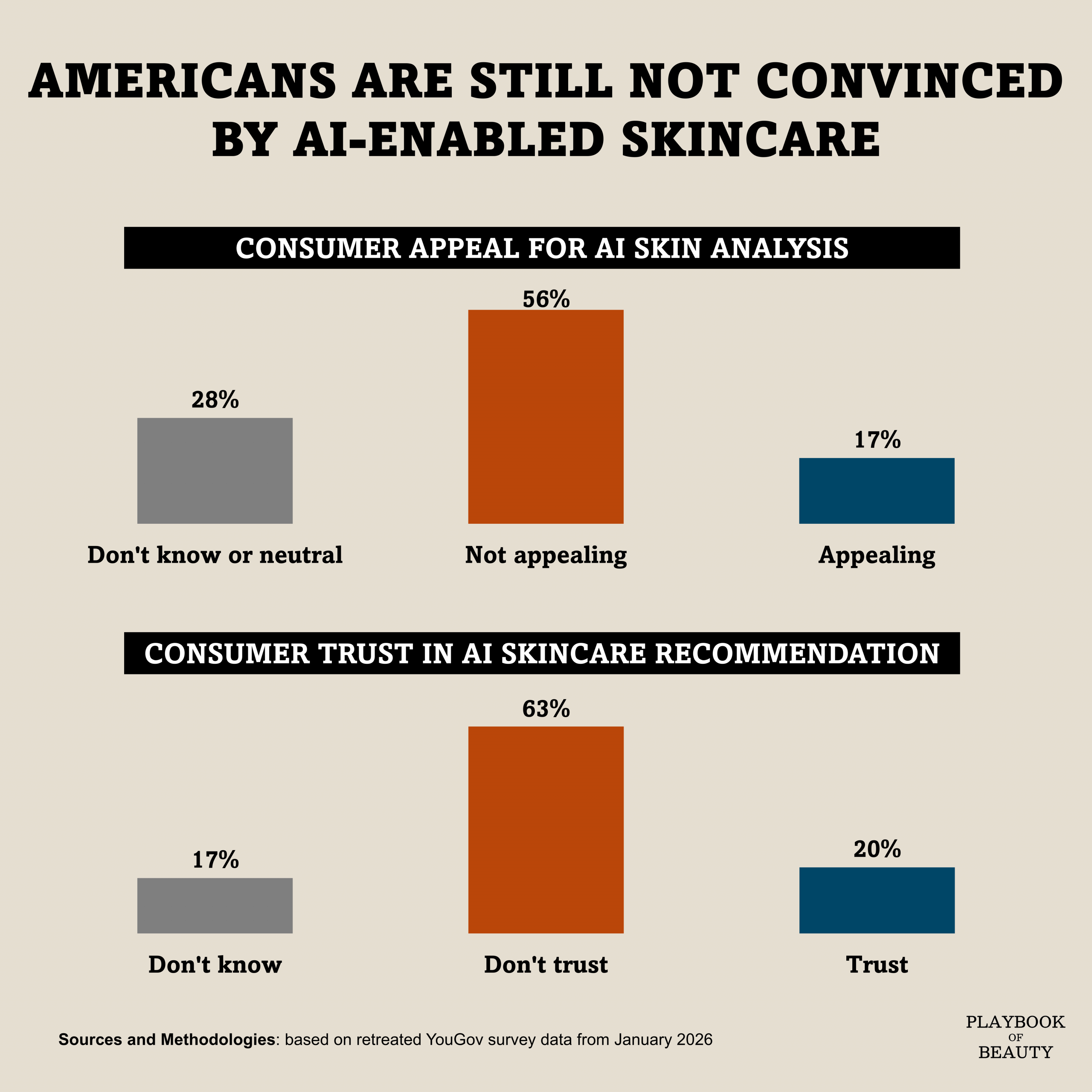
Beauty e-commerce expanded at six times the rate of offline sales in 2025, according to NielsenIQ, while the Vogue Business Beauty Index reports that 83% of consumers now conduct the majority of their purchase journey via digital channels. In this environment, the “trial gap”, the inability to physically test a product, remains the primary structural barrier to growth.
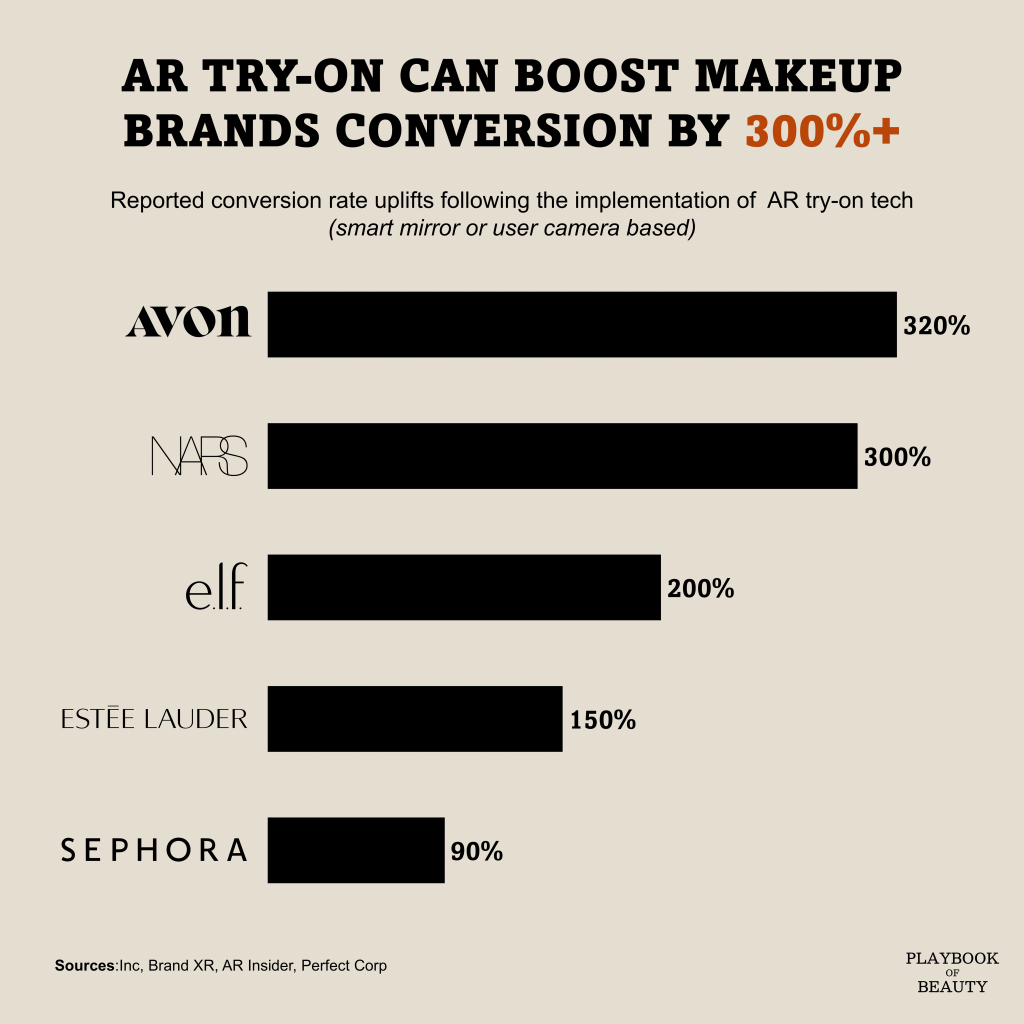
The financial case for closing that gap is now empirical. By early 2024, L’Oréal reported a 150% increase in virtual try-ons via its ModiFace-powered platforms. Sephora’s AR mirror trials led to an estimated 31% uplift in sales with AR try-on users’ conversion rates up to 90% higher while Avon reported a 320% higher conversion rate on makeup purchases through AR experiences. These are not pilot results from early adopters: they are recurring performance metrics from the largest houses in the industry.
Analysis from Arbelle, which develops virtual makeup try-on and shade matching solutions designed for beauty brands across e-commerce, mobile and in-store environments, puts the conversion lift from AR-driven advertising at 94%, with virtual try-on tools providing a 2.4x multiplier on purchase likelihood. Arbelle, which draws on more than two decades of face AI research from Visage Technologies, is built on the premise that a virtual try-on experience, if engineered with sufficient precision, can replace the physical counter for most decisions.
The most direct balance sheet impact of virtual try-on, however, comes from returns. One in five beauty returns online is attributed to incorrect shade matching, a figure that multiplied across the volume of e-commerce transactions, represents a significant and largely preventable cost. Brands integrating virtual try-on and shade-matching tools are reporting a 64% reduction in returns. For any brand running double-digit e-commerce growth, that number translates directly into recovered margin.
The companies setting the pace have already demonstrated that AR is a performance channel, not a marketing experiment. I reckon the question for brands that have not yet integrated these capabilities is not whether the technology works. The data has answered that. The question is how much return volume and conversion loss they are willing to absorb while deciding.
Do you want to try Arbelle technology for yourself? You can test their technology on their website.