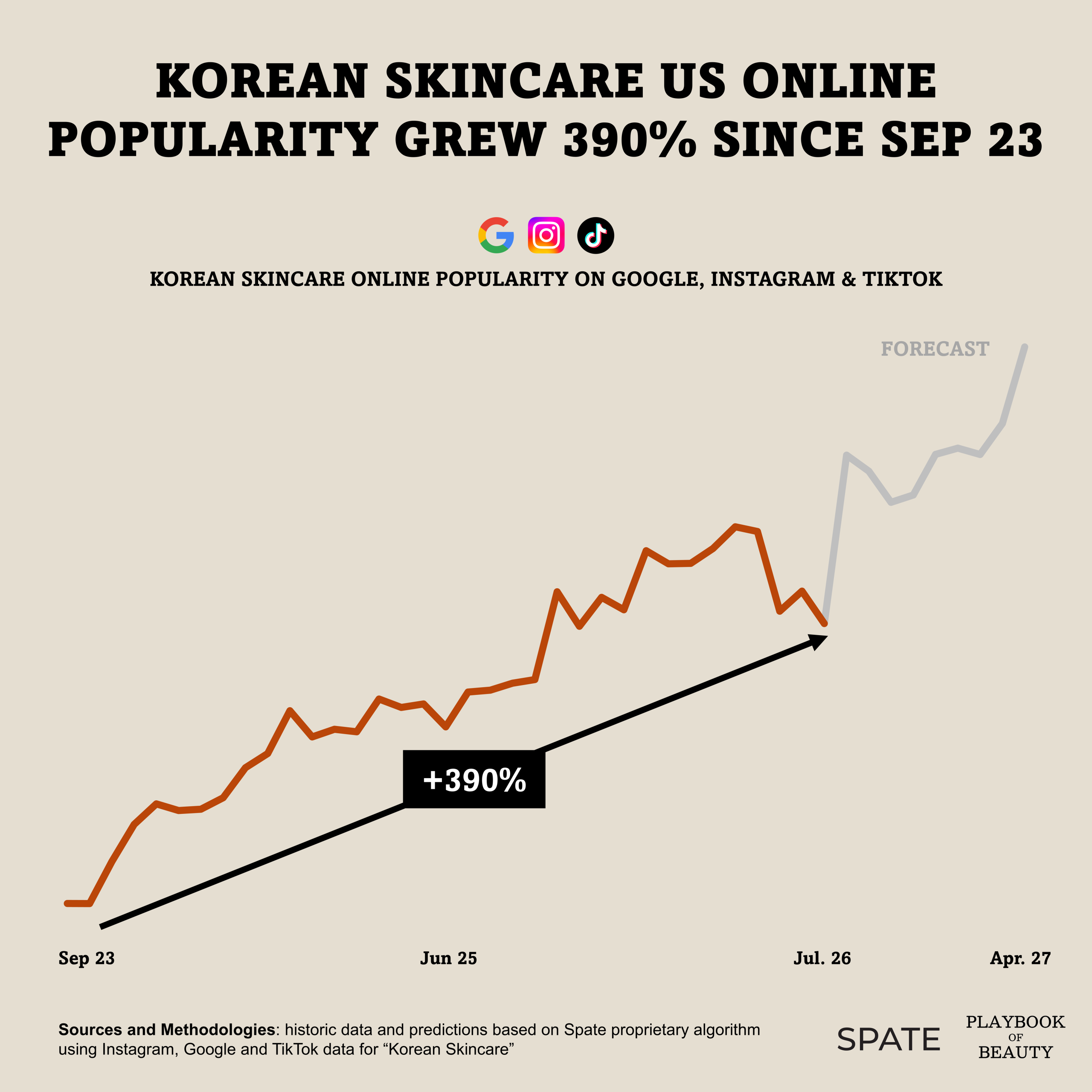
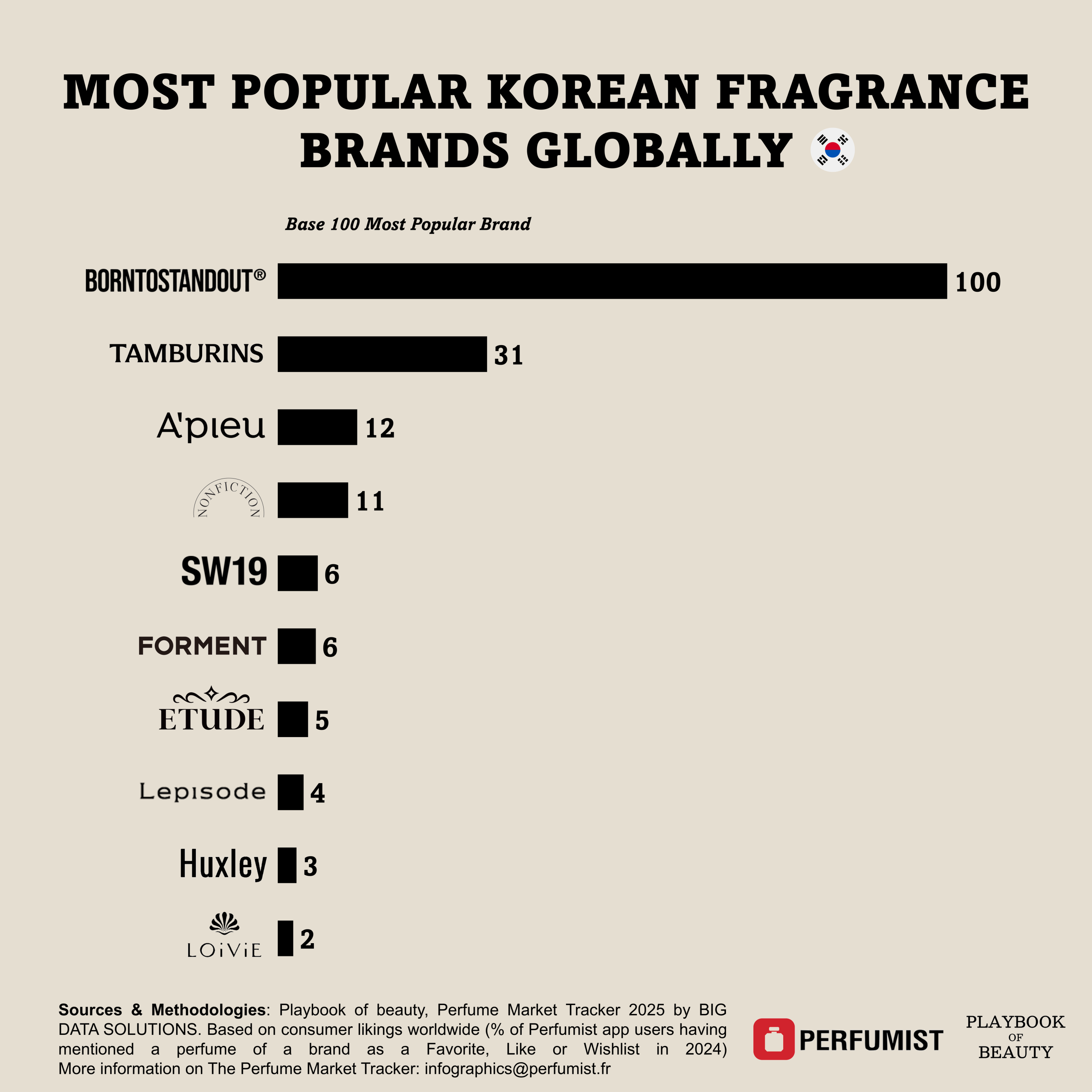
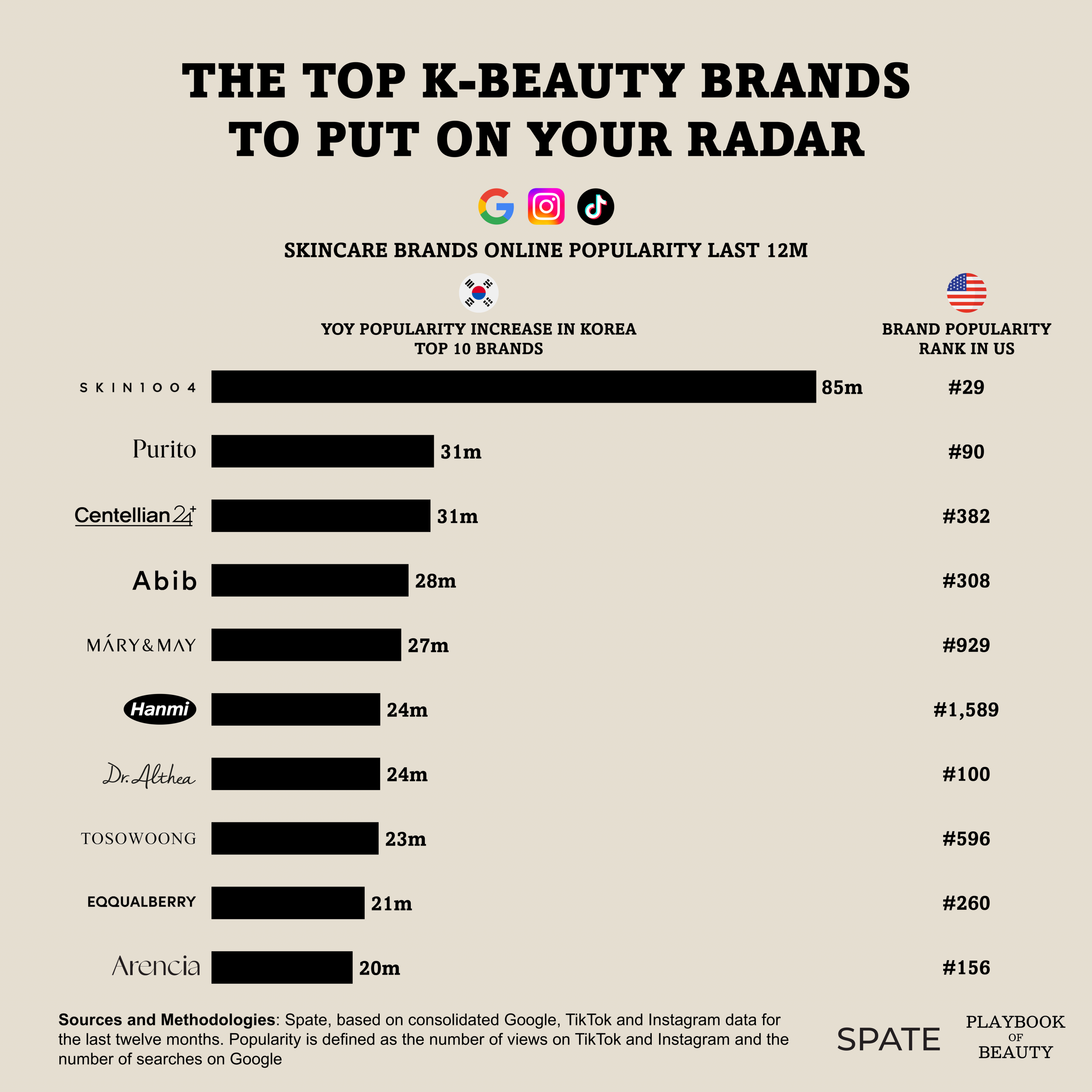
Based on ITC Trademap export data covering skincare and makeup (HS 3304), fragrance (HS 3303) and haircare (HS 3305), beauty exports were up 9% YoY in H1 2026.
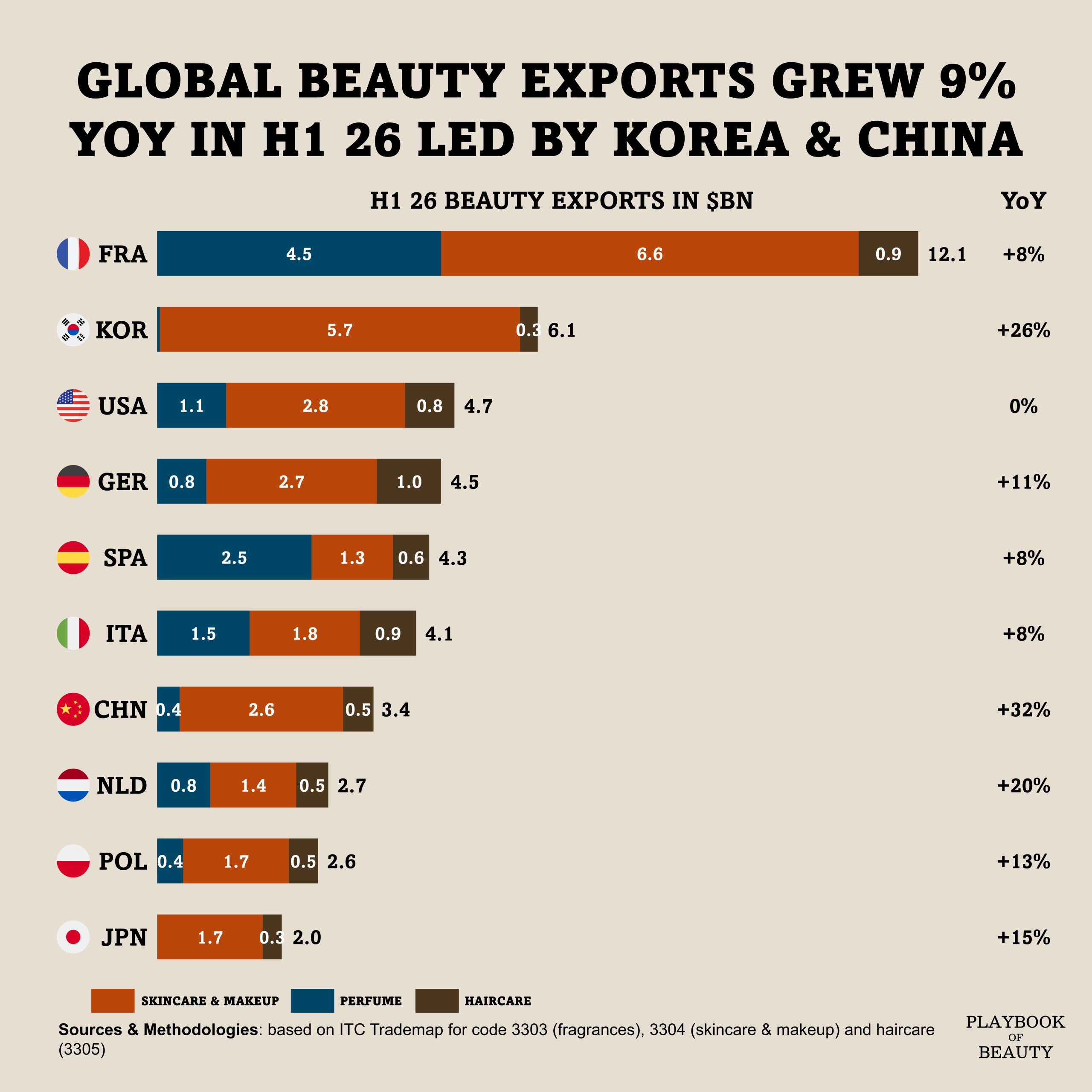
France, which was by far the largest exporter at $12bn in H1 26, more than the USA and Korea combined, grew 8% driven by its smallest segment haircare which grew at 19%.
The US in third place at $4.7bn was flat, with makeup and skincare exports down 2% while fragrance was up 7%.
Korea, in second place at $6.1bn, saw its growth accelerating. While global Korean beauty exports grew 10% between 2024 and 2025, H1 26 growth reached 26%, with skincare & makeup exports up 25%, haircare up 30% and fragrance up 86%, the later segment remaining very small at $44m in export in H1 26. K-Beauty exports have been driving by strong demand in the US, where Korean retailer Olive Young started operation this summer, and global success on e-commerce platform with Medicube being the top selling skincare brand on Amazon and TikTok in Q2 2026.
But beyond Korea, I reckon the most interesting development is the global rise of C-Beauty. China exported $3.4bn worth of beauty products in H1 2026, up 32% YoY and what is interesting is the destination of the export. If east and southeast Asia represented one third of Chinese skincare and makeup export, the US represented 21% of those exports and 32% YoY with Chinese brand Proya launching at Ulta in November 2026.
Among other fast growing beauty exporter it is worth noting the Netherlands, Japan and Poland which respectively grew 20%, 15% and 13% in H1 2026.
Subscribe to my newsletter for weekly insights on the beauty industry. Link in the comments.