Jean Paul Gaultier launched this week Les Ateliers Gaultier, a six-scent high perfumery collection priced at €260 for 100ml, its first serious move into the upper tier of the fragrance market. The collection hints to the house’s couture heritage, with bottles referencing safety pins and atelier fabrics, and juices created by a roster of different perfumers including Quentin Bisch, Marie Salamagne and Florian Gallo. Distribution starts at Printemps Paris and CDG airport before rolling into Europe, Middle East and travel retail, with the US coming later.
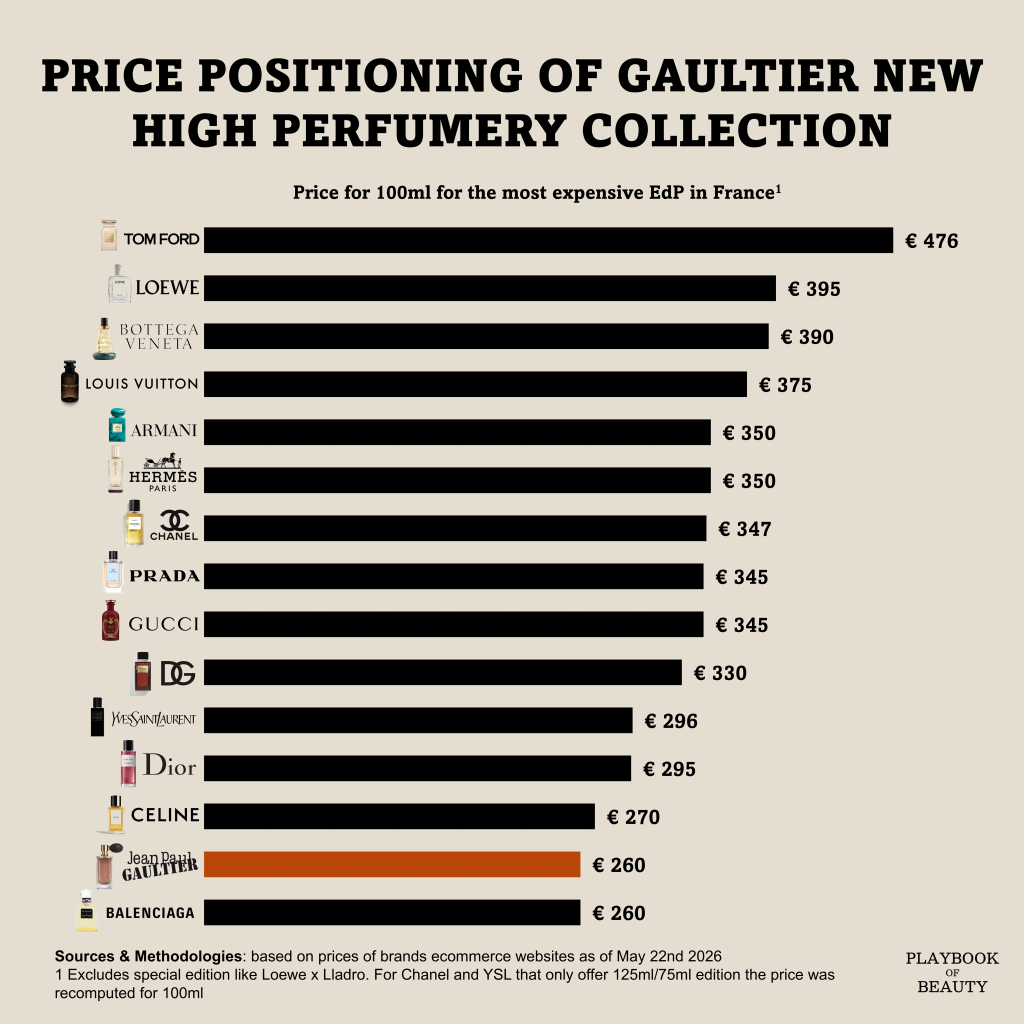
What retained my attention was the price point. At €260, Gaultier sits at the “entry level” of a peer group whose average most expensive EdP reaches €339 in France. For a brand that built its fragrance business on more accessible classics like Le Male, this is a measured step up rather than a leap into ultra-luxury territory. Ana Trias, president of prestige and fashion brands at Puig, was candid about the timing: “Maybe we are late to the party, but we needed to be in this party.”
The party in question is substantial and growing fast. For example the luxury Omani house Amouage recorded $430 million in global retail sales in 2025, up 66% year-on-year, with its Exceptional Extraits high-concentration collection surging 157% and now accounting for over 25% of total sales.
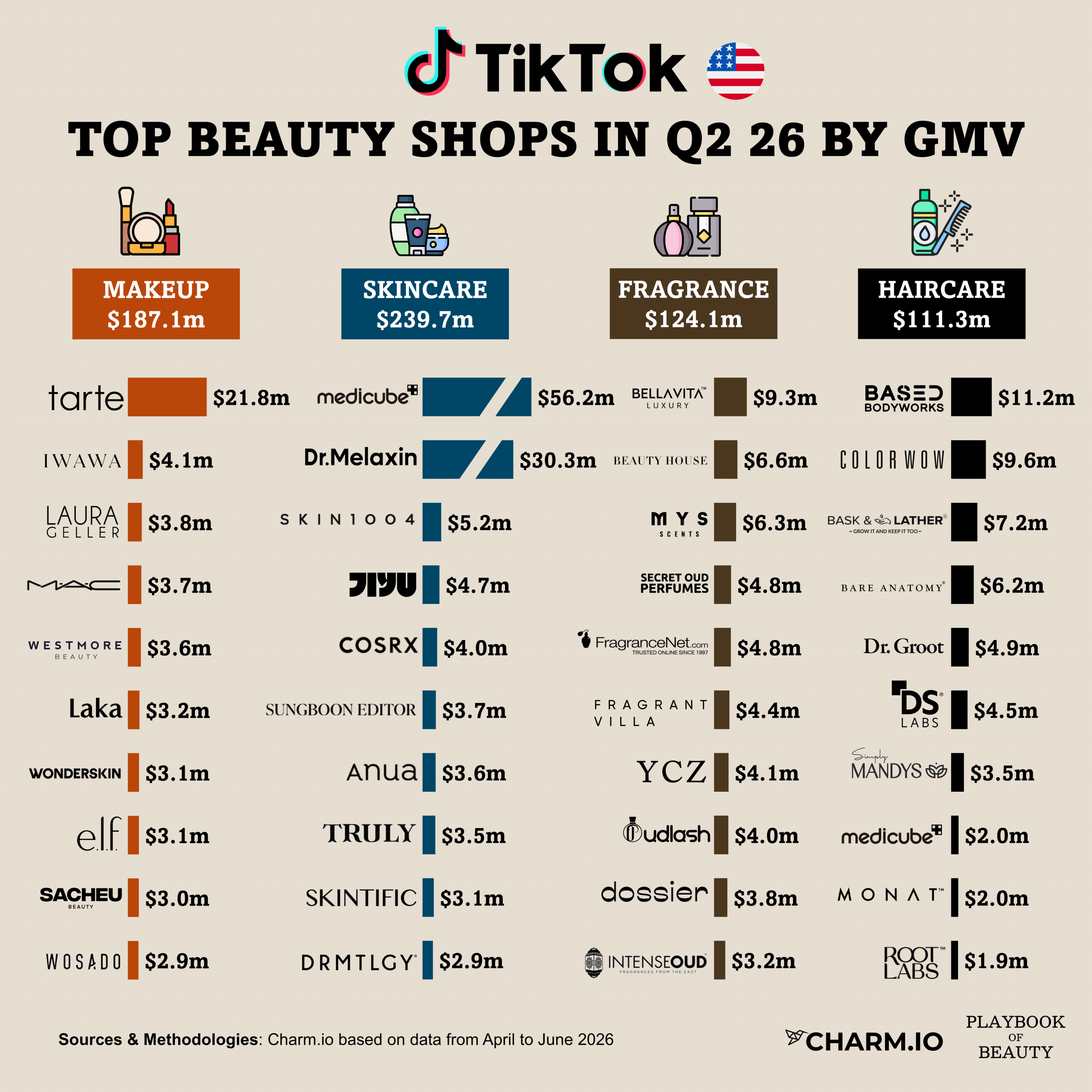
One of the structural driver is a generational shift in what fragrance means. Gen Z-led behaviors like scent layering and “smellmaxxing” have driven niche fragrance popularity, with PerfumeTok on TikTok boosting indie brand engagement significantly. Consumers today use fragrance to express identity the way previous generations used fashion, and they know the ingredients, concentration levels and the perfumers by name.
The Gaultier launch shows again that heritage fashion houses with existing fragrance equity are realizing they can command higher prices and reach a different consumer simply by creating a separate line with better ingredients, more selective distribution and a clear narrative. The direction across the perfume industry is unmistakably upward, and the consumers driving it are younger than anyone expected.