
A night cream promises rejuvenation. The consumer now knows that promise is incomplete. That is one of my takeaways from the YouGov Anti-Aging Report 2026 conducted across a representative sample of French consumers.
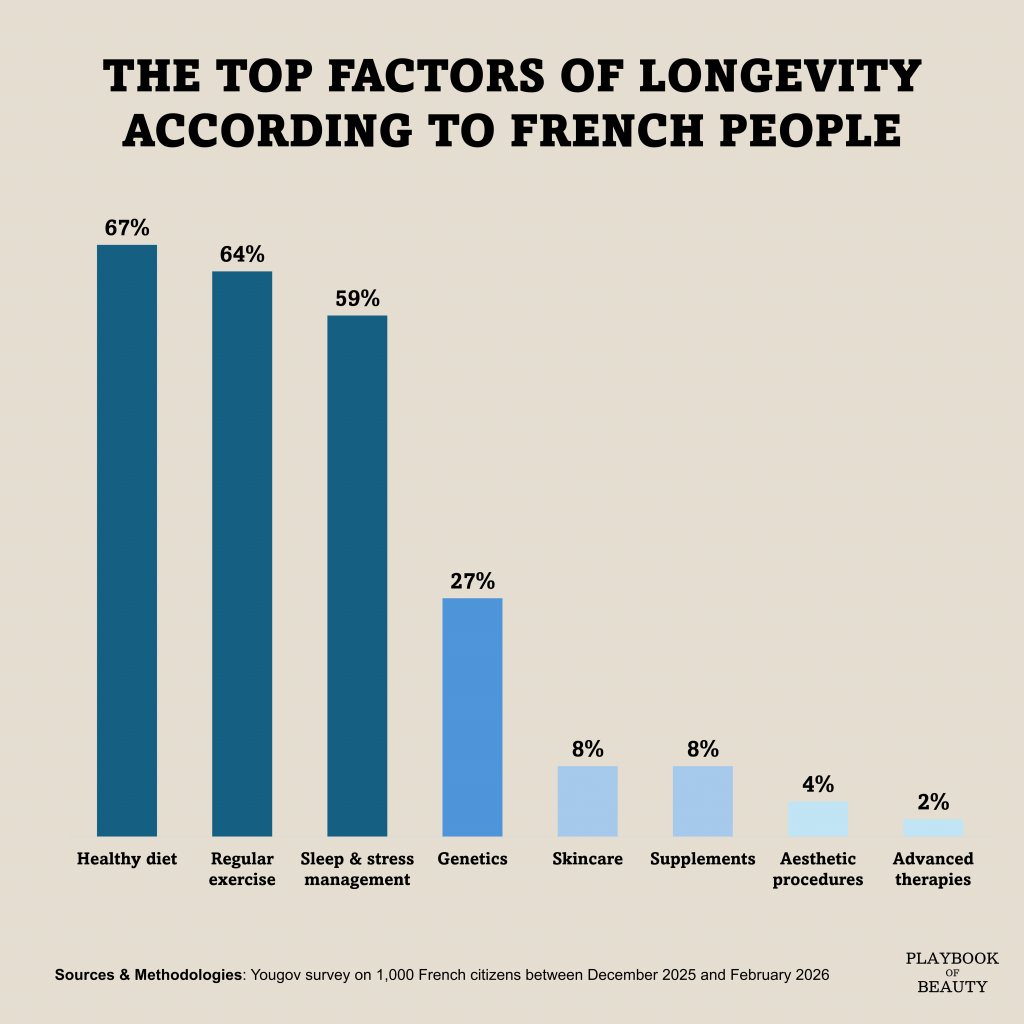
Respondents were asked to identify the factors they believe most influence longevity. When ranked, diet leads at 67%, followed closely by regular exercise at 64%. Sleep and stress management are cited by 59%. Skincare products register as a determining factor for only 8% of respondents while aesthetic procedures trail at 4%.
This shows the consumer now conceptualizes aging as an inside-out process. A brand that markets itself solely on molecular claims is no longer competing against another cream. It is competing against the consumer’s own lived experience that diet, movement, and rest matter more.
The strategic response from the beauty industry must be a migration into the broader wellness ecosystem. I would like to share three examples that illustrate where the market is going.
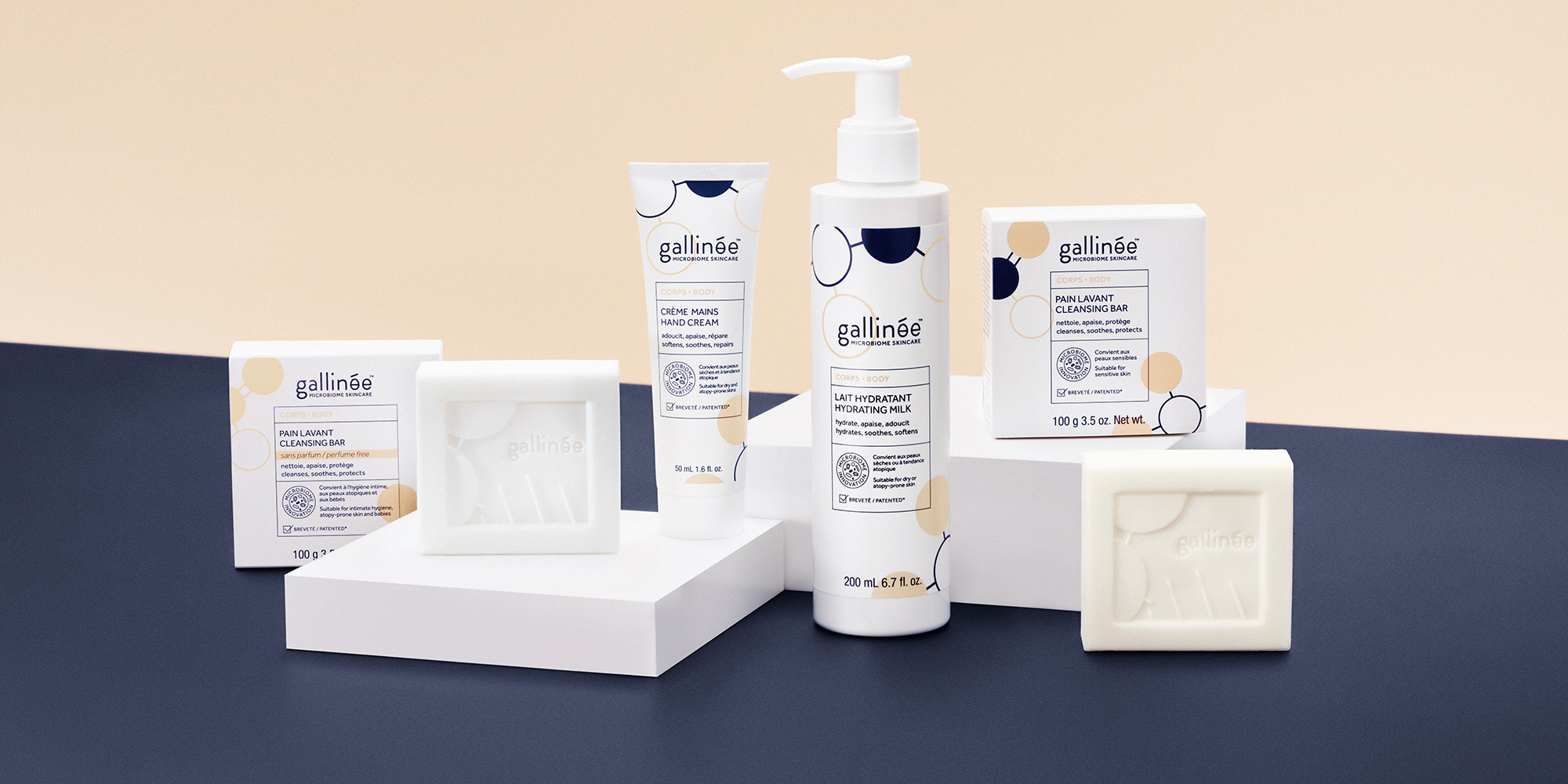
The first is the gut-skin axis. Brands such as Gallinée have built their model on microbiome science, effectively translating gastroenterology into dermatology. They do not sell a moisturizer but bacterial balance. Meanwhile, legacy players are launching ingestible lines. Holidermie, for example, now pairs topical formulations with dietary supplements and structured facial yoga programs, acknowledging that 67% of consumers prioritize nutrition.
The second is sleep-centric positioning. Brands like Neom Organics and This Works have abandoned the traditional body lotion category in favor of what they term “sleep solutions.” Their formulations rely on magnesium and aromatherapeutic blends intended to lower cortisol and induce deep sleep. They target the 59% of consumers who view sleep as the primary driver of longevity, with skin regeneration positioned as a secondary benefit.
The third is neuro-cosmetics. Stress management, has given rise to formulations featuring adaptogens such as ashwagandha and reishi mushroom with Youth To The People being a pioneer in this shift. Marketing benefits have moved away from aesthetic outcomes toward nervous system regulation and the reduction of inflammation tied to modern anxiety.
I reckon skincare is no longer a standalone category. It is a component of a holistic lifestyle. To sell a serum today is to sell a piece of a larger ecosystem. To succeed, brands need integrate into the consumer’s existing priorities diet, exercise, sleep, and stress rather than insisting that a jar alone can do the work.