The latest Q4 2025 numbers from TikTok Shop gathered by Pattern®, the leading brand accelerator on e-commerce platforms reveal a marketplace undergoing rapid professionalization. High-ticket devices and legacy brands with sophisticated affiliate strategies are now outselling the impulse-buy trinkets that defined the platform’s early days.

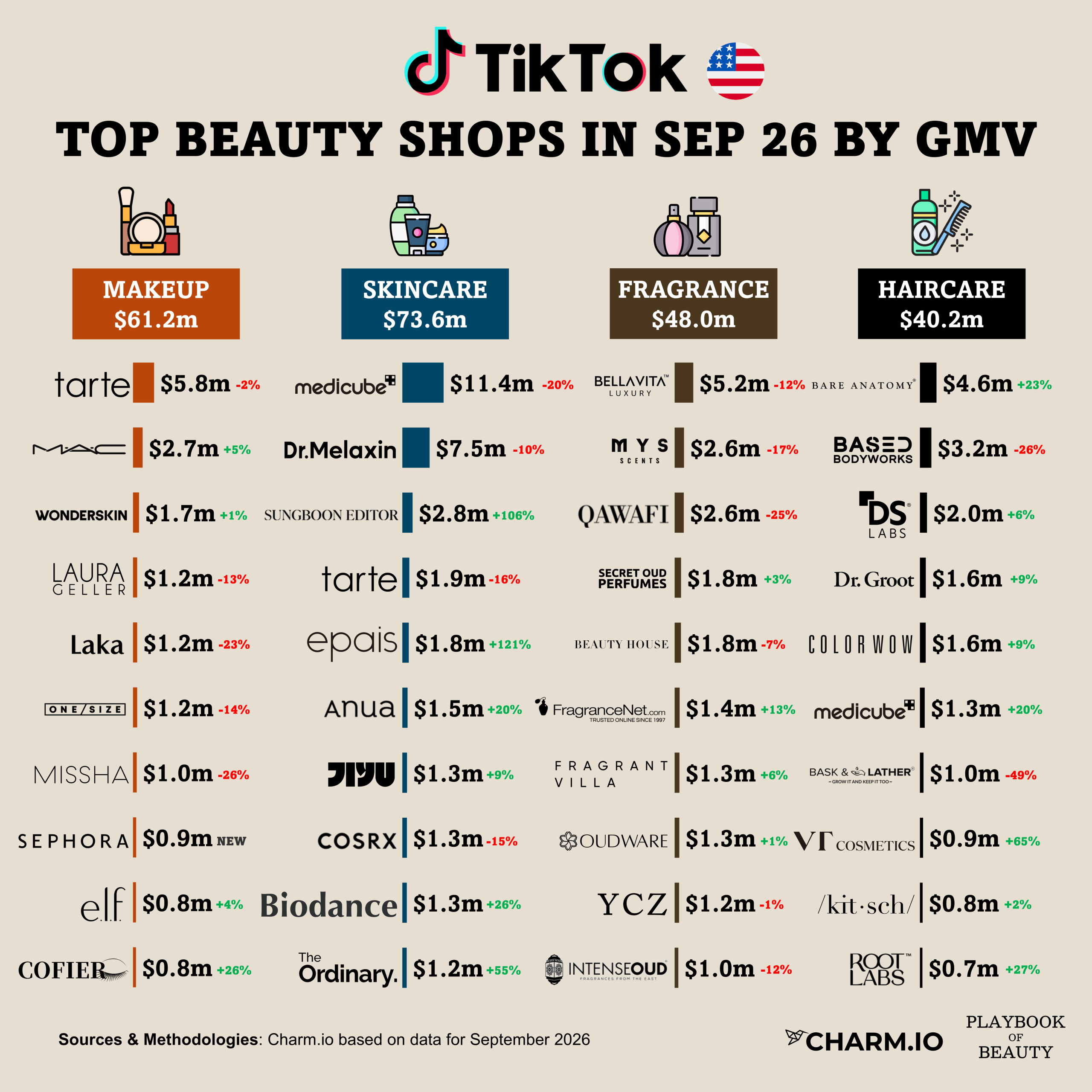
In skincare, the concentration at the top is remarkable. The leading ten brands control 47% of the market, with Korean labels occupying every slot. Clinical efficacy has replaced cute packaging as the primary selling point. Consumers are now comfortable purchasing $100+ devices on the platform because video demonstrates instant results that serums cannot deliver.
In particular, Medicube commands 19% of skincare through a hardware-plus-consumables model. Their devices provide the instant visual proof TikTok demands, justifying the premium price. Once purchased, those devices require proprietary serums and gels, transforming a single viral transaction into recurring revenue. They acquire customers through spectacle and retain them through necessity.
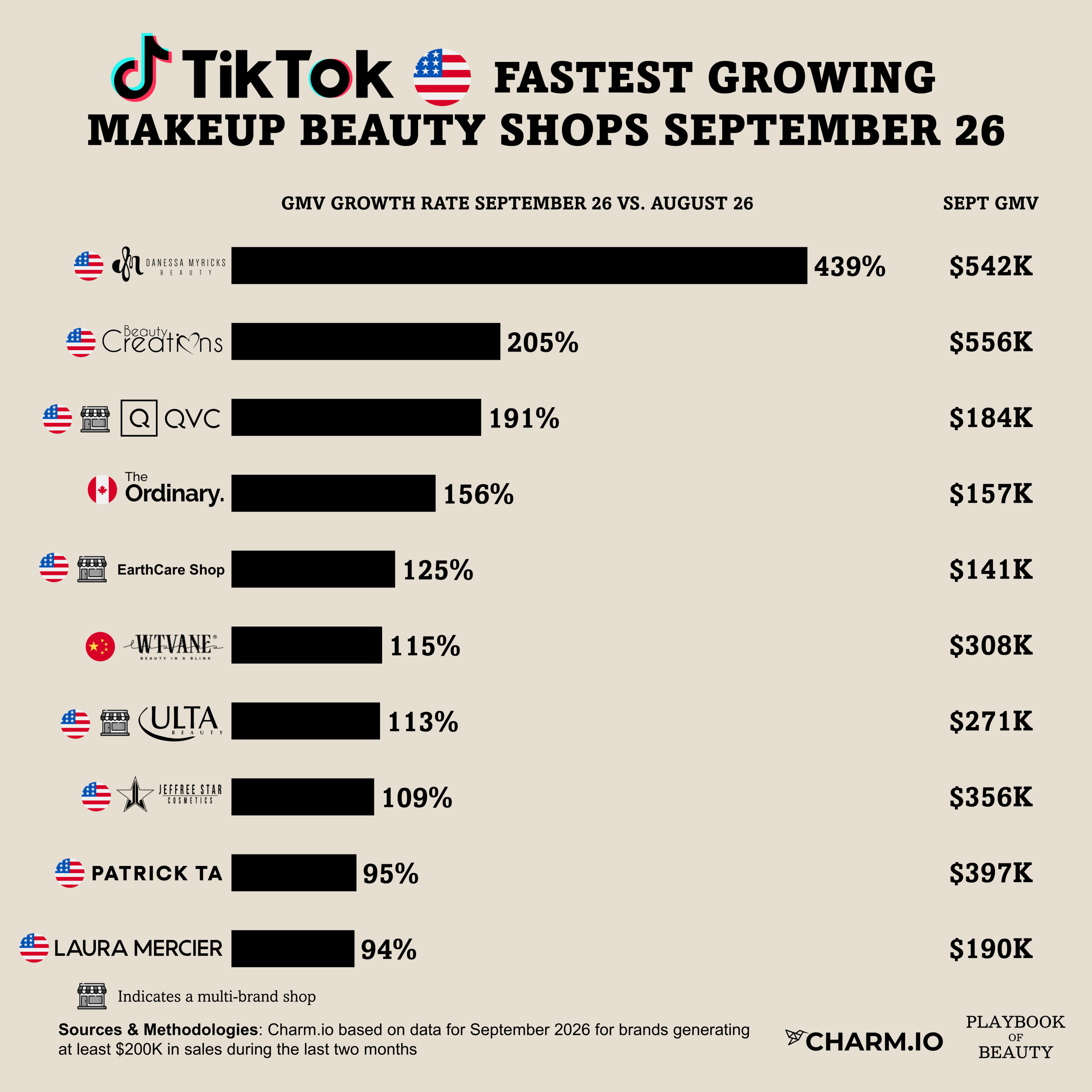
Makeup reveals two distinct winning formulas. Legacy players like L’Oréal and Maybelline hold share, but the real story is demographic expansion. Laura Geller capturing 4% of the category confirms that older consumers are now shopping actively on TikTok. Brands either succeed through a single visually arresting product or, like Tarte, through vast affiliate networks that provide daily, trusted recommendations. Tarte’s 10% makeup share show that they understood that TikTok Shop functions less as social media and more as modern home shopping television. By mobilizing thousands of micro-affiliates with generous commissions, they built a decentralized sales force that promotes daily. Their TikTok-exclusive bundles ensure discovery converts on the platform rather than at Sephora, protecting margin while driving volume.
In Fragrance the classic Western designer names are absent from the top ten. Instead, consumers favor Middle Eastern houses and affordable dupes. The psychology is clear: fragrance remains a blind buy, and shoppers will not risk $200 on an unknown scent through a screen. Sub-$50 price points with compelling “vibe” storytelling are winning.
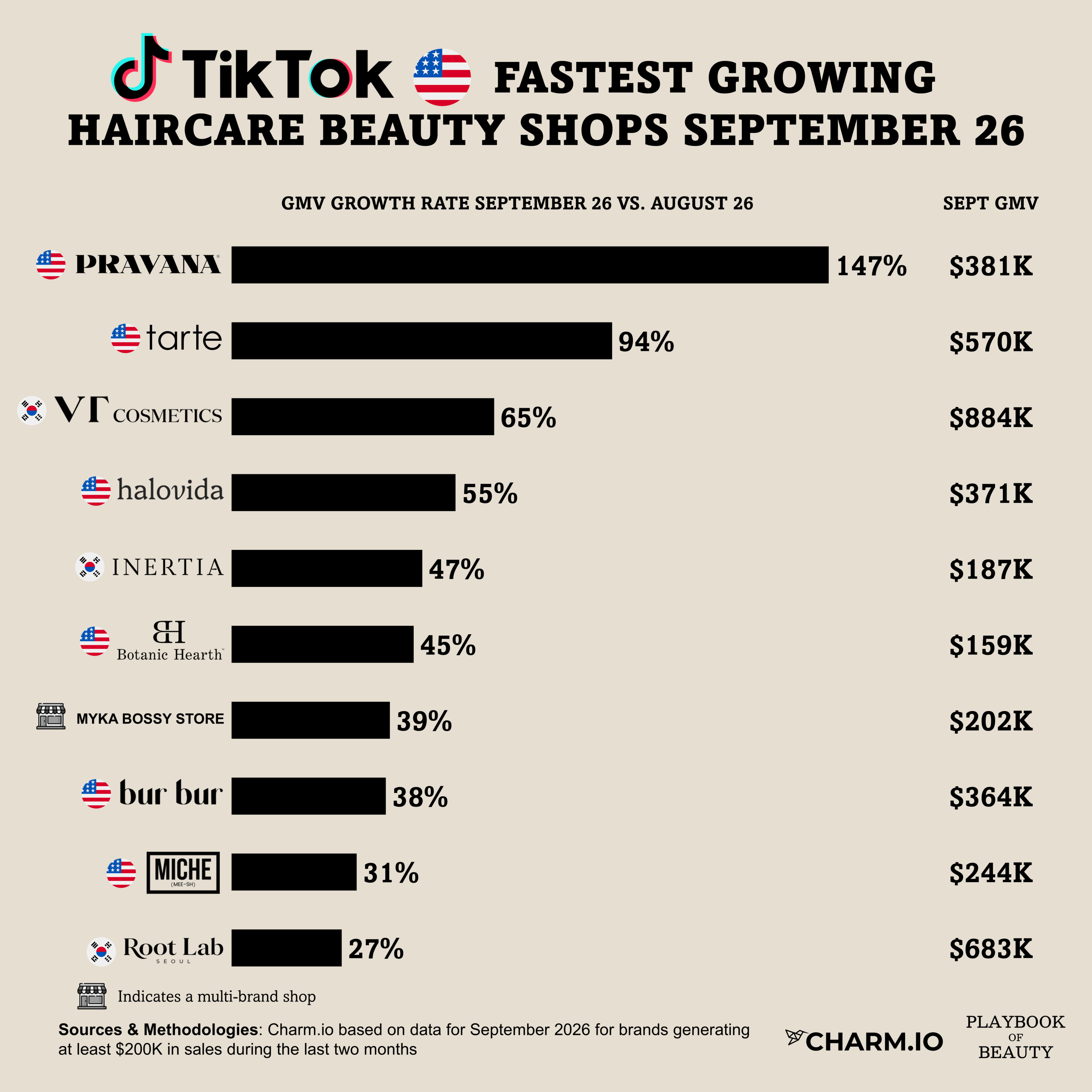
Brands successful in haircare either rely on theatrical demonstration or personal stories. Color Wow’s success hinges entirely on a product that performs like a visual effect on camera. Meanwhile, hair-loss brands thrive because founders share personal journeys, creating trust that standard advertising cannot replicate.