The United Arab Emirates are emerging not only as a robust consumer market for fragrance but as a major global exporter.
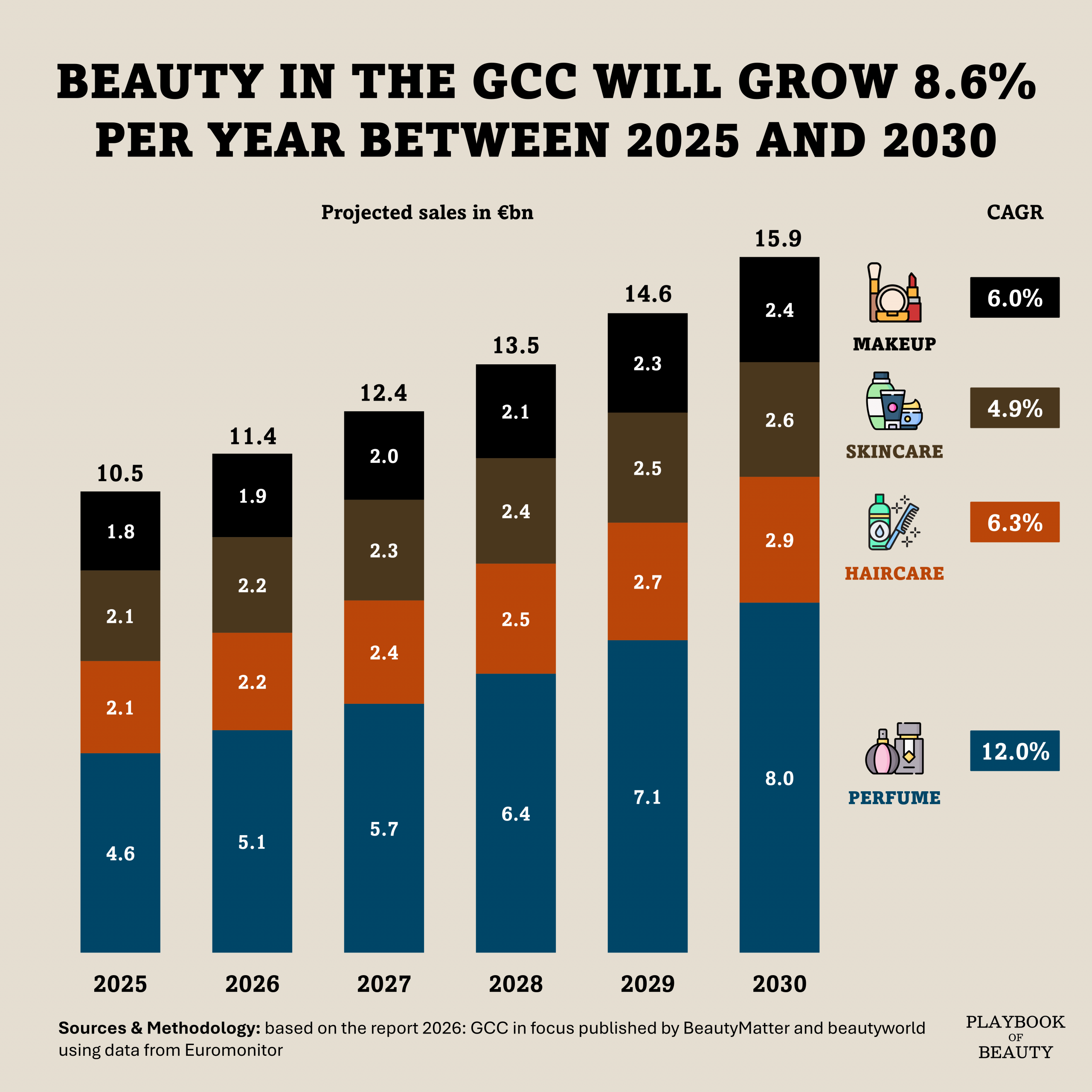
The domestic foundation for the industry are very strong. The UAE represents approximately half of the GCC’s $2.5 billion luxury beauty market, with fragrance alone constituting nearly half of that segment and growing at 11% in 2024, according to Chalhoub Group. This is underpinned by one of the world’s highest per-capita beauty spend, a young affluent demographic, and a powerful tourism ecosystem.
However, the more critical evolution is the successful transition of the UAE fragrance industry to an export-driven growth. Fragrance now constitutes nearly 1% of the nation’s non-oil exports. UN Trade Data indicates exports reached $2.7 billion in 2023, a 6.7-fold increase since 2013. This trajectory positions the UAE as the world’s third-largest fragrance exporter, behind only France and Spain, and ahead of traditional leaders like Germany and Italy. Its export volume is now one-third that of France and nearly twenty times greater than regional peer Saudi Arabia.
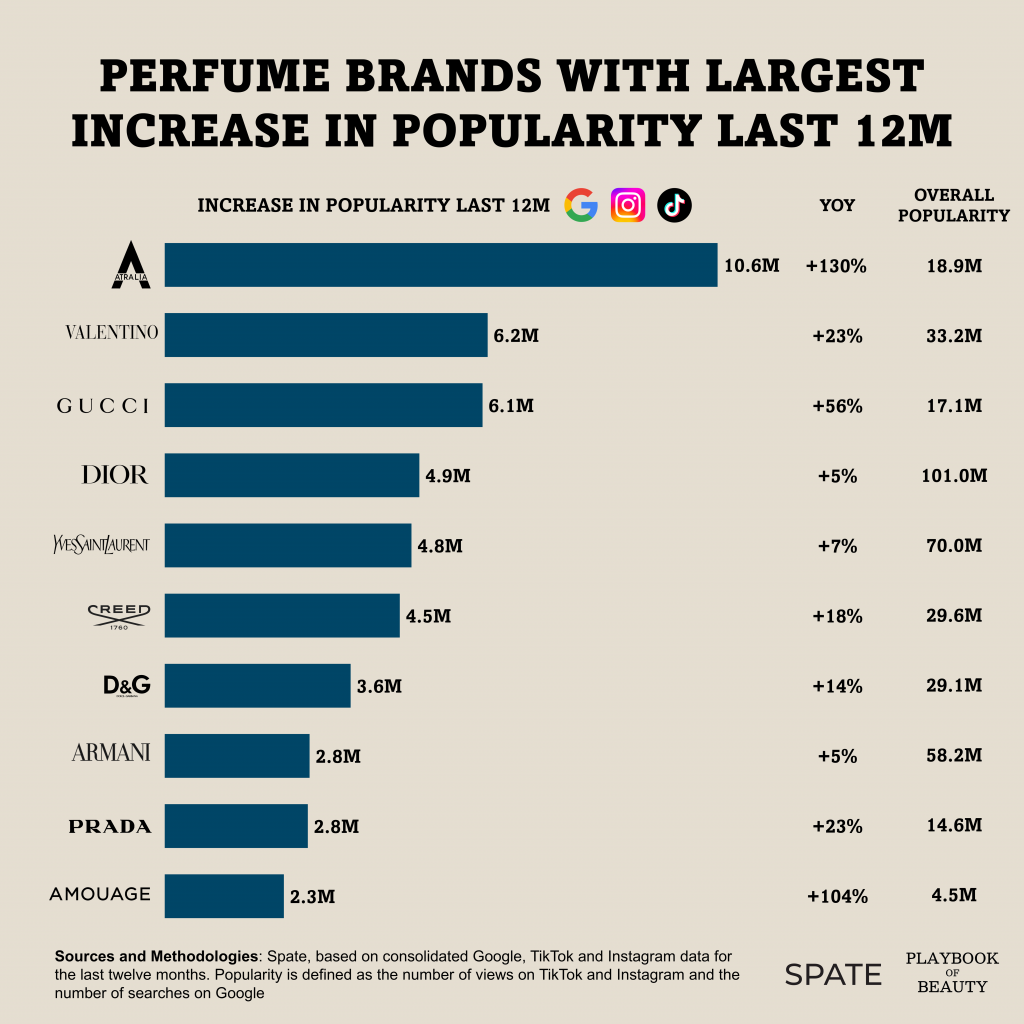
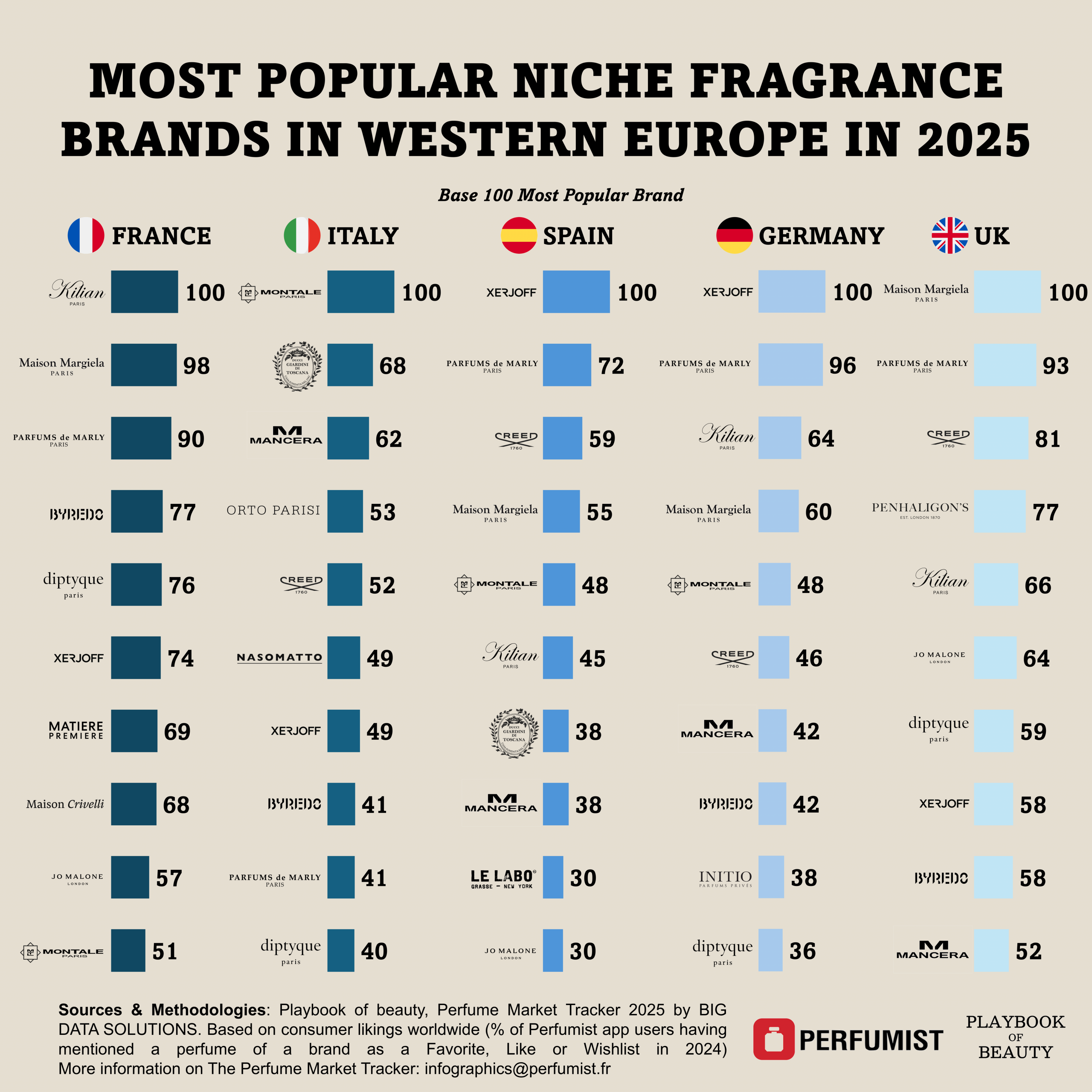
This boom is fueled by the globalization of Middle Eastern olfactory culture. Core notes such as oud, amber, and rose have transitioned from niche to mainstream, with Western luxury houses launching dedicated lines. Regional practices like fragrance layering and a preference for intensity are shaping global trends. UAE brands effectively capitalize on it, marrying a reputation for high-value craftsmanship with authentic storytelling.
The commercial validation is clear. For instance, the UAE-born brand Kayali was reported as the most popular brand at Sephora US in 2025 by customer review analytics firm rAIviews. For me this prompts a broader question: as an increasing number of local skincare and makeup brands are rising in the region, will we see a rise of Middle Eastern beauty across the globe?