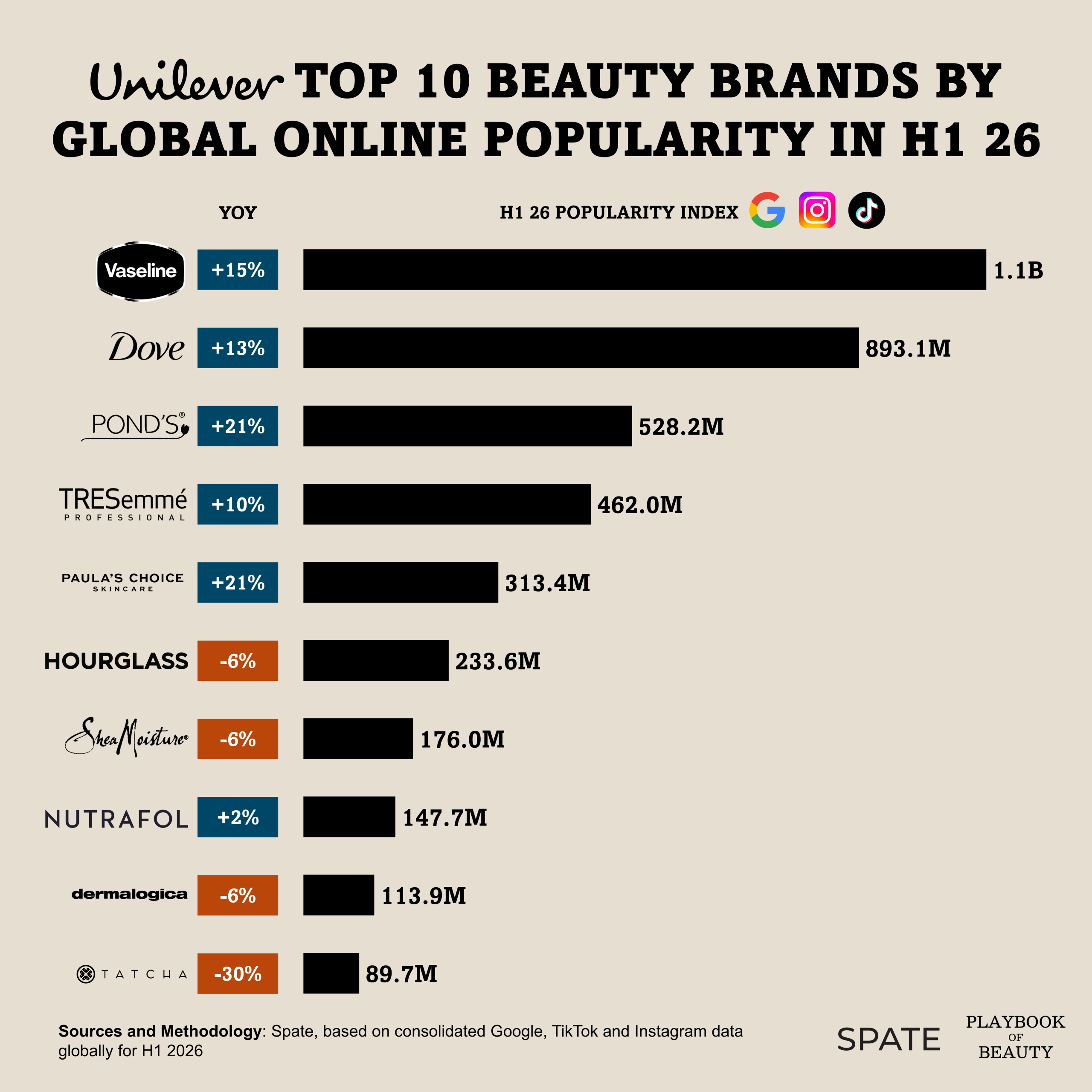
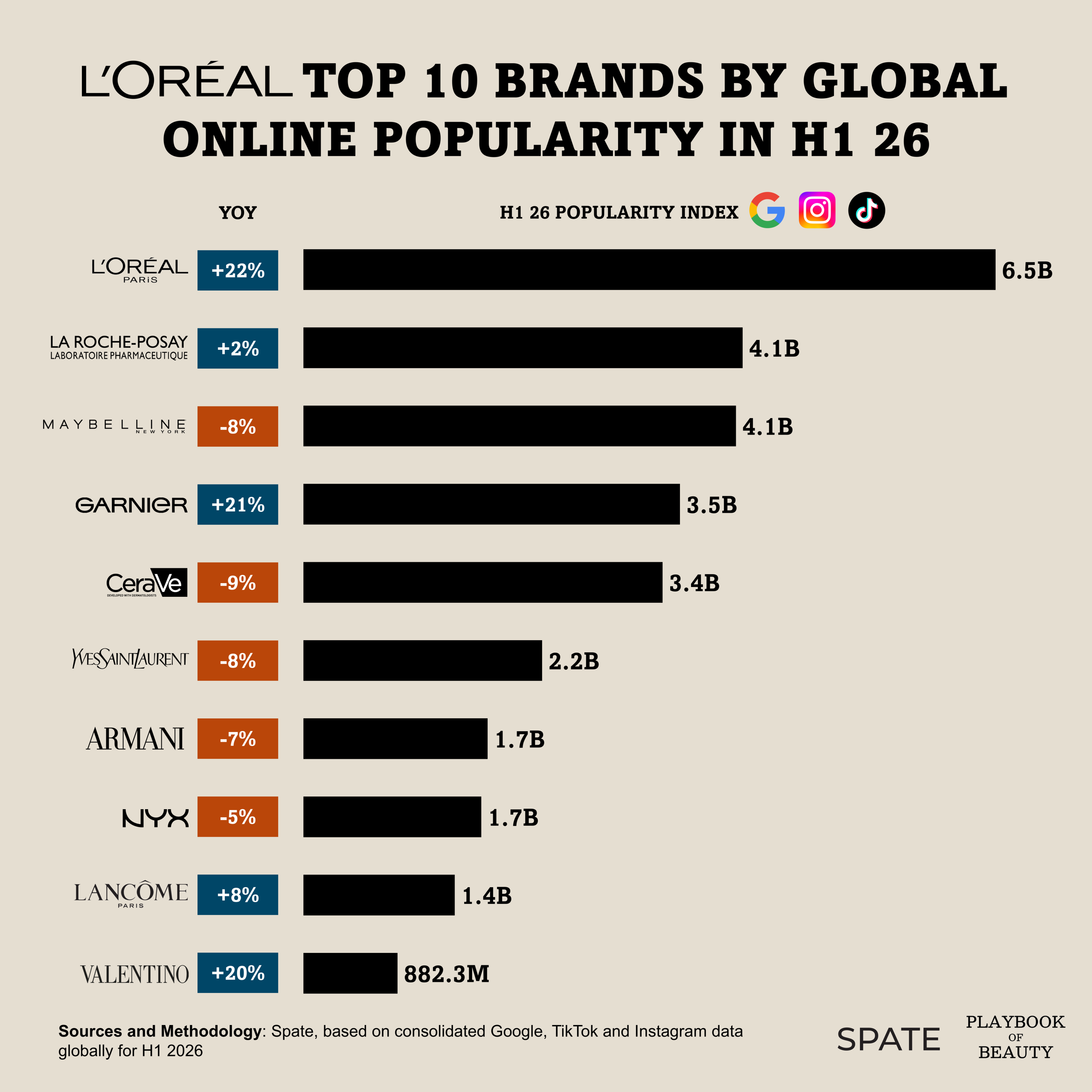
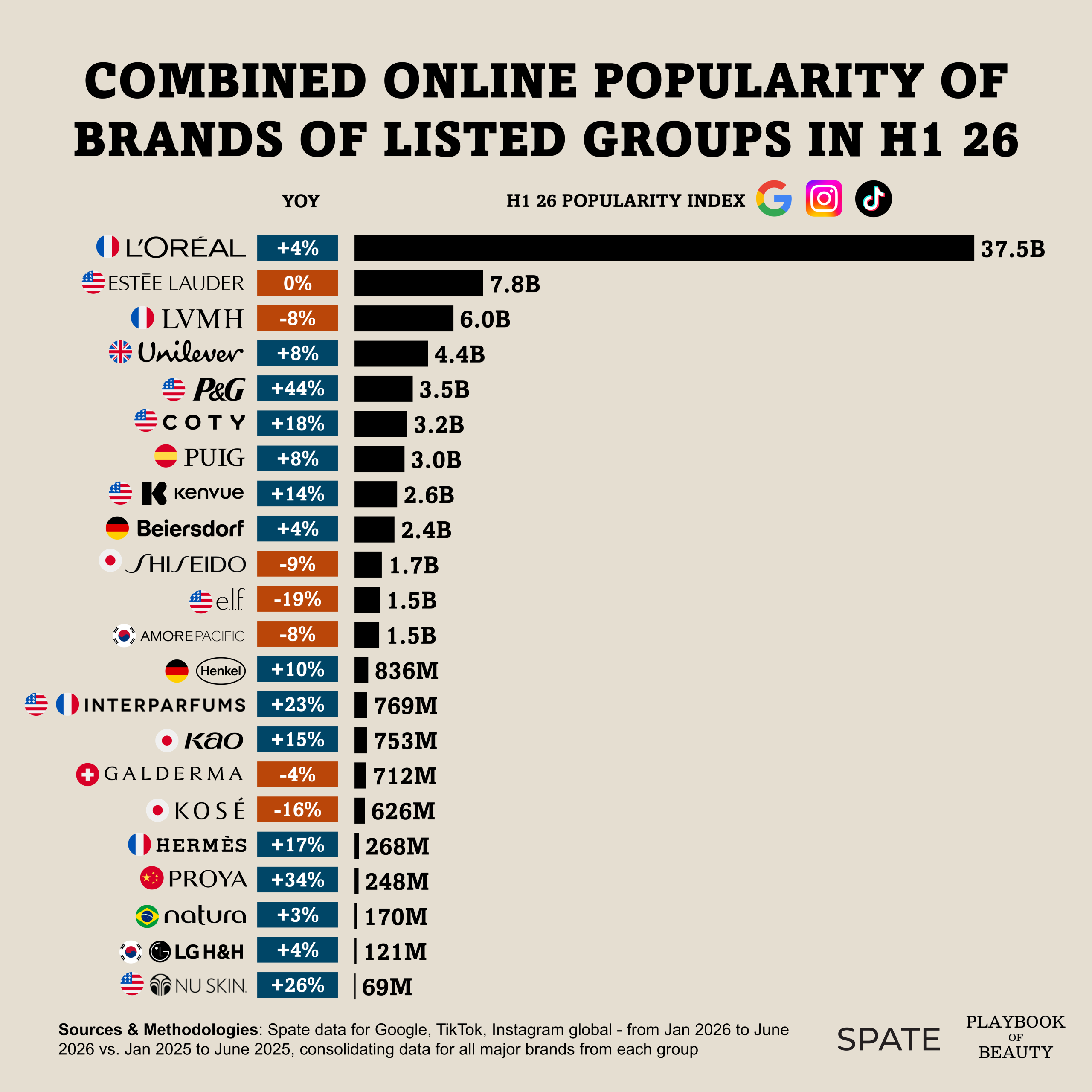
Over the past 18 months, global beauty groups placed increasingly large bets on the Indian market with Unilever and L’Oréal being the most active. Unilever acquired Minimalist for $342m in January 2025 which was at the time the largest transaction in the country’s beauty sector until L’Oréal announced last week a majority investment in Innovist, valued between $350 and $450 million. Estée Lauder also acquired Forest Essentials in March 2026, completing an 18-year investment process that began with a minority stake in 2008 and reached 49% in 2020. L’Oréal, operating through its BOLD venture arm, also took minority stakes in Deconstruct, Arata and Chosen By Dermatology. Kosé invested in D2C skincare brand Foxtale in 2025. Unilever Ventures was the most active deploying capital into 7 brands including CLAYco, SkinInspired, Secret Alchemist and RAS Luxury Skincare across multiple rounds.
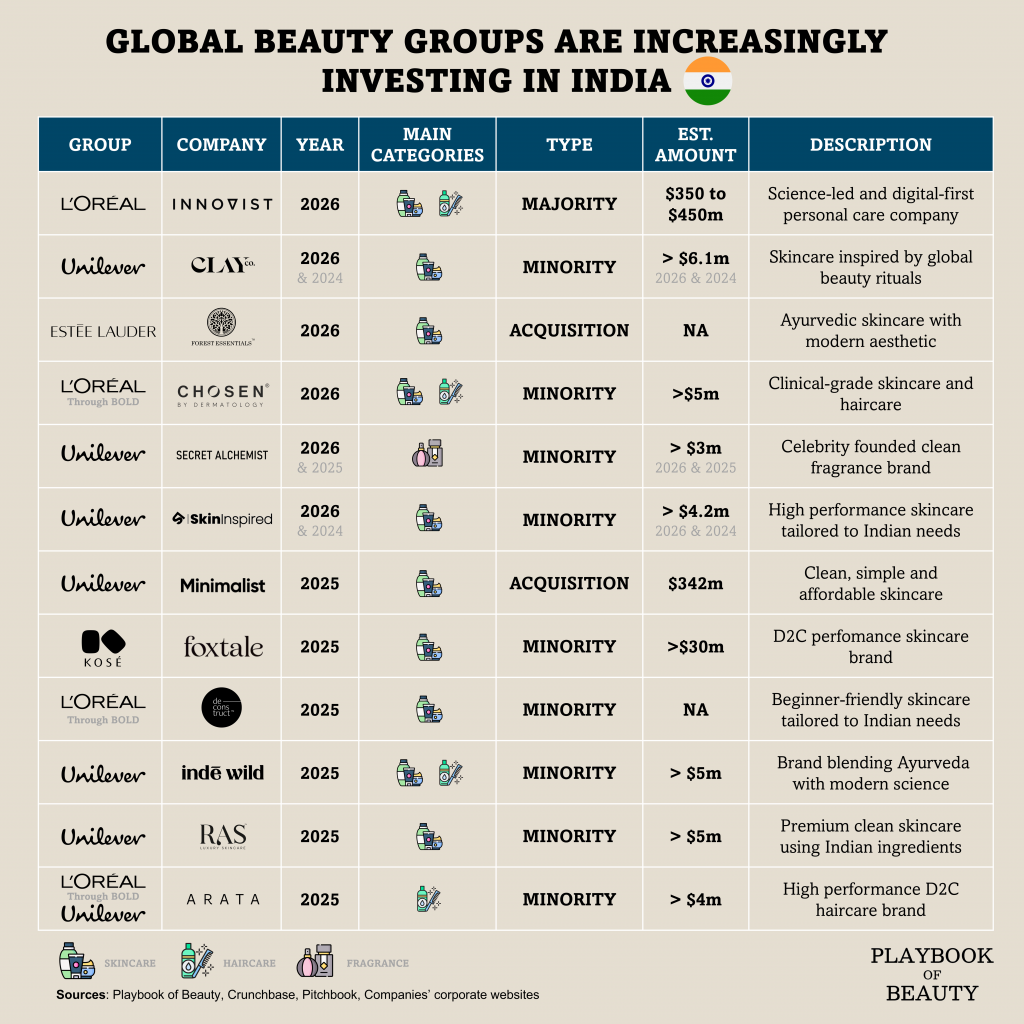
The rationale is quite clear with India’s beauty and personal care market currently worth approximately $27 billion and projected to reach $39 billion by 2030, according to data from Flipkart’s GlamUp Annual Beauty Trends Report 2026.
Yet succeeding in India at scale for a foreign brand remains genuinely hard with igh import duties, a complex regulatory environment, and infrastructure constraints. Acquiring a local brand sidesteps that problem bringing consumer trust, distribution infrastructure, regulatory compliance, and formulations already calibrated for Indian skin and climate.
The story of Forest Essentials shows how these acquisitions are built progressively over time. Estée Lauder took its first minority stake in 2008, increased it to 49% in 2020 supporting its growth to nearly 200 standalone stores, and then moved to full ownership once Forest Essentials had become, in ELC’s own words, the top-ranked prestige skincare brand in India.
India is no longer a market where global groups are only test the waters and it has become one of their top priorities.